That Musty Smell Coming From the Cellar Is Your Basement Trying to Tell You Something
Quick Answer: A musty smell in your cellar almost always means the air down there is holding more moisture than it should, usually because relative humidity is sitting above 60 percent for long stretches. That damp air lets mold and mildew get started on wood, drywall, cardboard, and dust, and the smell is the byproduct. The odor itself is not the real problem. It is a warning sign that moisture is getting in or getting trapped, whether from groundwater seeping through the foundation, condensation on cold surfaces, or a cellar that has nowhere for damp air to go.
You go down to grab something off a shelf, and before you even reach the bottom step, you catch it. That thick, earthy, slightly sour smell that clings to cardboard boxes and old furniture. Maybe it fades once you have been down there a few minutes. Maybe it follows you back upstairs on your clothes. Either way, you know the smell, and you have probably learned to live with it, cracking a window when the weather allows or running a box fan and hoping for the best.
Here is the part worth sitting with: a musty cellar is not a smell problem. It is a moisture problem that happens to have a smell attached. In older homes across Queens, Brooklyn, and the rest of the NYC metro, cellars and basements sit close to a high water table, wrapped in masonry that was never built to modern waterproofing standards. That combination makes damp, musty air one of the most common complaints a waterproofing crew hears, and a candle or a bag of charcoal rarely fixes it.
Why Damp Air Smells the Way It Does
The musty odor comes from mold and mildew, specifically from the gasses those organisms release as they grow and feed on organic material. Wood framing, cardboard, drywall paper, insulation backing, even the dust that settles on a cellar floor, it is all food for mold once conditions are right. Mold does not need standing water to get going. It only needs a damp surface and time.
That surprises a lot of homeowners. You can have a cellar with no visible puddles and no water stains, and still have a serious moisture problem, because the trigger is humidity in the air, not liquid water on the floor. Once indoor humidity climbs and stays above roughly 60 percent, materials in that space start holding enough moisture for mold to take hold. Keep humidity in the 30 to 50 percent range instead, and you take away the one thing mold cannot do without.
The math behind why cellars run damp. Relative humidity measures how much water vapor the air is holding compared with the maximum it could hold at that temperature. Warm air holds far more moisture than cool air. So when humid summer air drifts into a cool cellar, through an open window, a vent, or just infiltration through the walls, that air cools down and its relative humidity spikes even though the actual water content has not changed. A cellar that feels stuffy on a July afternoon is often dealing with exactly this effect, and it is a big reason cellars run musty even when the rest of the house feels fine.
Where the Moisture Is Actually Coming From
A musty smell can trace back to more than one source. Figuring out which one you are dealing with changes what actually fixes it.
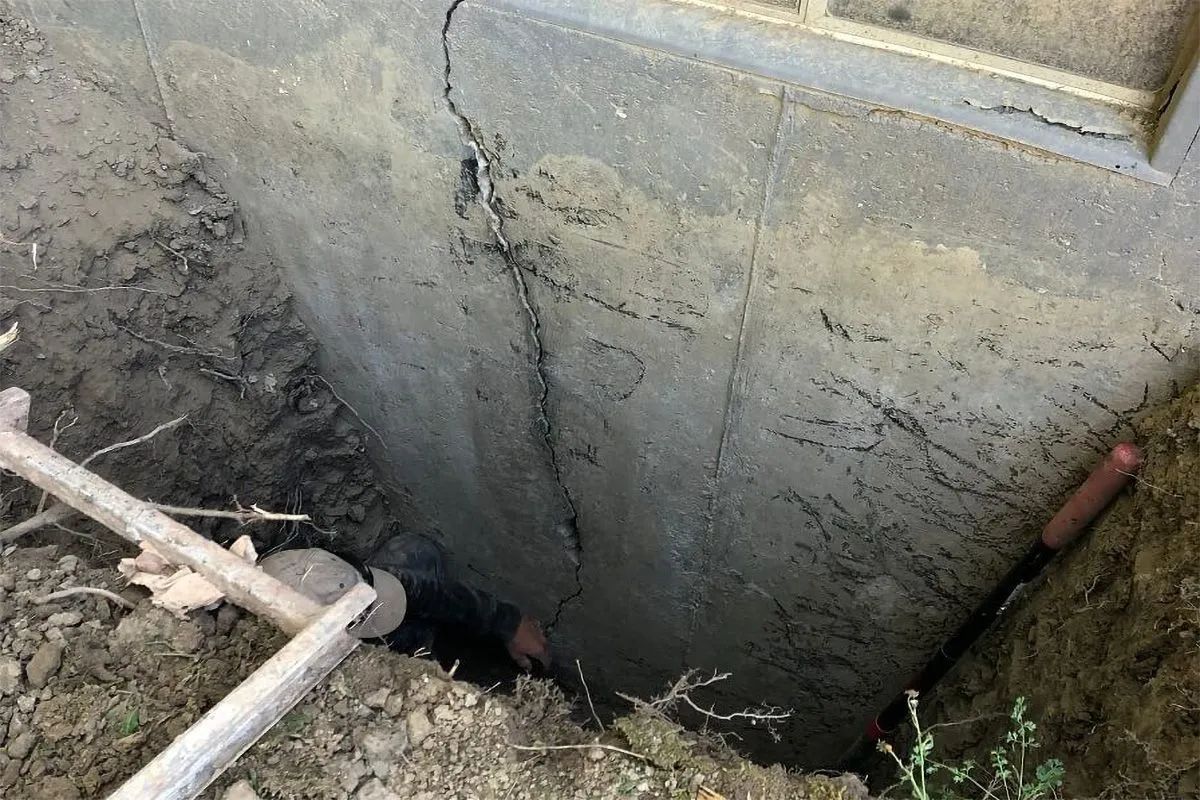
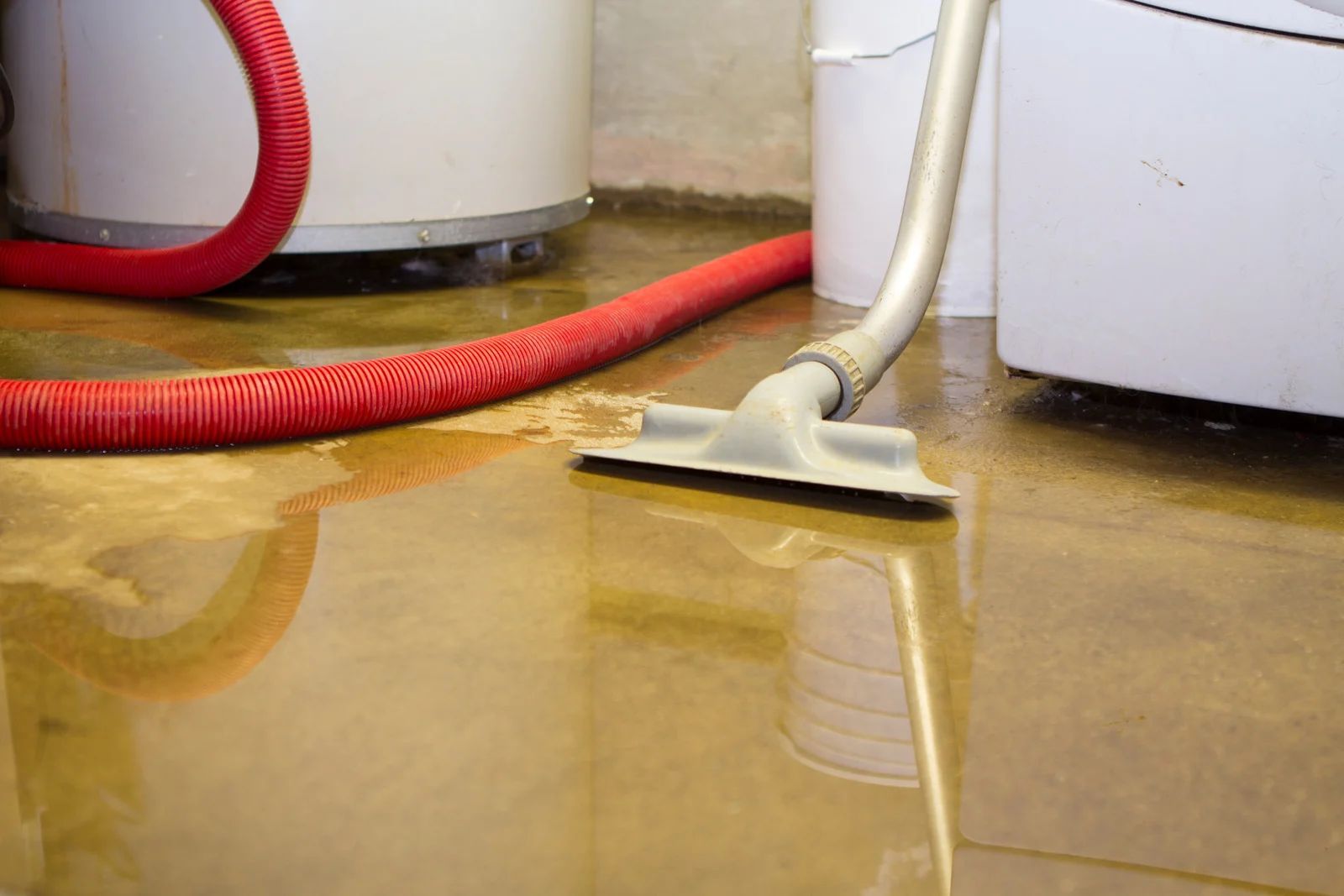
Groundwater and hydrostatic pressure are the usual suspects in neighborhoods where the water table sits high, and much of the NYC metro qualifies. The soil around a foundation stays saturated for long stretches, especially after rain, and that saturated soil pushes moisture through porous concrete block, hairline cracks, and the joint where the wall meets the floor. You will not always see a puddle. Sometimes it is just enough seepage to keep the air and the materials around it perpetually damp, which is more than enough for mold and its smell to take hold.
Condensation on cold surfaces plays a role too. Cellars stay cooler than the rest of the house most of the year. When warmer, humid air from upstairs or outside reaches those cool masonry walls, cold pipes, or a cold concrete floor, water vapor condenses right on the surface, the same way a cold glass sweats on a summer day. That thin film is often invisible day to day, but it is a steady moisture source feeding mold on walls, joists, and anything stored against them.
Then there is airflow, or the lack of it. A cellar with little to no air movement holds onto whatever moisture gets in far longer than a space with decent circulation. Stagnant, humid air sitting against wood and cardboard for weeks at a time is close to ideal mold-growing conditions, even without any active leak. It is often why an older cellar with small, rarely opened windows smells musty year-round while a newer, better-ventilated basement next door does not.
Tip:
Buy a simple hygrometer and leave it on a shelf in the cellar for a week. If it regularly reads above 60 percent, especially overnight or after a rainy stretch, you are looking at a genuine moisture problem rather than just a stuffy-smelling space. That reading gives a waterproofing pro a real starting point instead of a guess.
What Happens If You Just Mask the Smell
It is tempting to treat the smell as the whole issue. Run a fan, set out some odor absorbers, maybe spray something with a stronger scent, and move on. None of that touches the moisture driving the problem, so the smell keeps coming back, usually worse after the next humid stretch or heavy rain.
Left alone, damp conditions in a cellar do more than smell bad. Mold gradually breaks down whatever it is growing on, so wood framing, subfloor material, and stored belongings all take slow, steady damage the longer the moisture sticks around. Materials that stay wet or damp for as little as one to two days can start growing mold, which is part of why a musty smell that shows up after a storm or a humid week tends to stick rather than fade on its own. The smell is simply the first sign you can detect with your nose, well before you can see staining, warped wood, or peeling paint.
Warning: Do not ignore a musty cellar just because you cannot find standing water or an obvious leak. By the time mold growth is visible or materials are visibly deteriorating, the moisture problem behind it has usually been active for weeks or months. The earlier it gets addressed, the less damage and remediation you are dealing with.
Getting the Moisture Out for Good
Because the odor traces back to moisture, a lasting fix means controlling humidity and cutting off whatever is feeding it, not just covering the symptom.
A dedicated cellar or basement dehumidifier, sized for the space, keeps relative humidity in that healthier 30 to 50 percent range even when the outside air is thick and humid. Unlike a portable unit meant for a bedroom, a proper basement dehumidifier is built to run continuously and drain automatically, which matters in a space most people are not checking on every day.
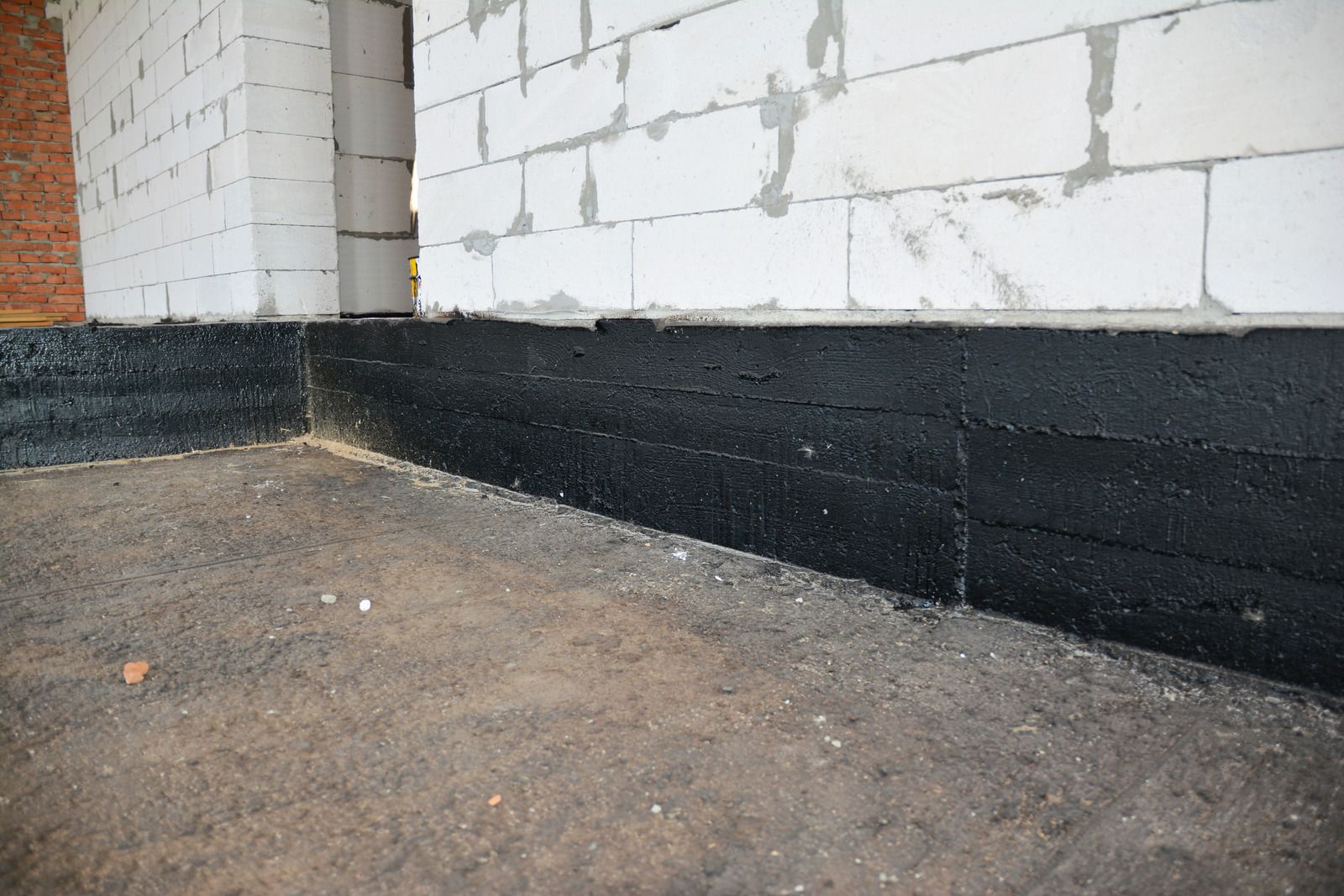
If groundwater or hydrostatic pressure is feeding the dampness, drying the air alone will not solve it, because more moisture keeps arriving from the walls and floor. That usually calls for a drainage approach, such as a perimeter system that intercepts water before it reaches the living space and routes it to a sump pump, paired with sealing or treating the walls to cut down on vapor moving through porous block and concrete.
Airflow matters more than people expect. Even a modest amount of air movement helps keep humidity from settling and stagnating in corners and behind stored items. That can mean a small circulating fan or correcting how the space is vented, so damp air does not just sit against wood and cardboard for weeks on end.
And do not overlook the cold surfaces themselves. Wrapping exposed cold water pipes and, where it makes sense, insulating foundation walls reduces the cold spots that trigger condensation in the first place. Fewer cold surfaces means less water forming on them when humid air moves through the space.
Frequently Asked Questions
Is a musty smell in the cellar always mold?
Not always visible mold, but musty odors often indicate microbial growth encouraged by excess moisture. Mold may be hidden behind paneling, beneath flooring, around joists, or on other damp cellar materials.
Can a musty smell return after cleaning?
Yes. If humidity, condensation, or seepage remains, the musty smell can return after cleaning. Removing visible mildew addresses existing growth but does not eliminate the moisture conditions allowing regrowth.
Does running a dehumidifier alone fix a musty cellar?
Sometimes, but not always. A dehumidifier controls airborne moisture, while ongoing groundwater seepage or condensation may require additional drainage, sealing, insulation, or waterproofing measures to keep the cellar consistently dry.
Why does the smell get worse in summer?
Warm summer air carries considerable moisture. When it enters a cooler cellar, relative humidity rises and condensation can develop on cold surfaces, creating damp conditions that encourage persistent musty odors indoors.
Is it safe to store belongings in a musty cellar?
Storage is risky until moisture is controlled. Cardboard, books, clothing, and other porous belongings readily absorb humidity and may develop mold, odors, staining, or deterioration when exposed to persistent dampness.
How can I tell where the smell originates?
Check where the odor is strongest. If it intensifies near the cellar stairs, the source is probably downstairs. Gaps around pipes, ducts, and stairwells can distribute musty air throughout upstairs rooms.
A Drier Cellar Starts With Moisture Control
A musty cellar is more than an unpleasant space; it is often an early indication that excess moisture is lingering in the air or entering through the foundation. Identifying whether that moisture comes from condensation, groundwater seepage, poor ventilation, or several sources together makes it easier to choose a lasting solution. Keeping humidity controlled and addressing the underlying source helps protect framing, stored belongings, finished surfaces, and the overall condition of the cellar throughout every season of the year.
For homeowners in Jamaica, Queens, NY, HRC Waterproofing Inc.
brings 25+ years of experience identifying and resolving
basement
and cellar moisture concerns. Proper moisture management may involve improving drainage, reducing foundation seepage, controlling humidity, insulating cold surfaces, or improving airflow depending on the conditions present. When those contributing factors are addressed together, the cellar can remain noticeably drier and fresher, reducing recurring musty odors while creating a cleaner, more stable environment beneath the home for many years to come.