Horizontal or Stair-Step Crack in Your Foundation Wall? What the Pattern Is Actually Telling You
Quick Answer: The direction a foundation crack runs tells you more than its length ever will. A horizontal crack across a basement wall usually means the soil outside is pushing in harder than the wall can resist, a condition called lateral or hydrostatic pressure, and it often shows up first at the wall's midpoint. A stair-step crack that climbs diagonally through the mortar joints of a block or brick foundation usually means one section of the house is settling faster than the section next to it. Both patterns call for a professional look. A vertical crack, by contrast, is far more often ordinary shrinkage or minor settling that just needs monitoring.
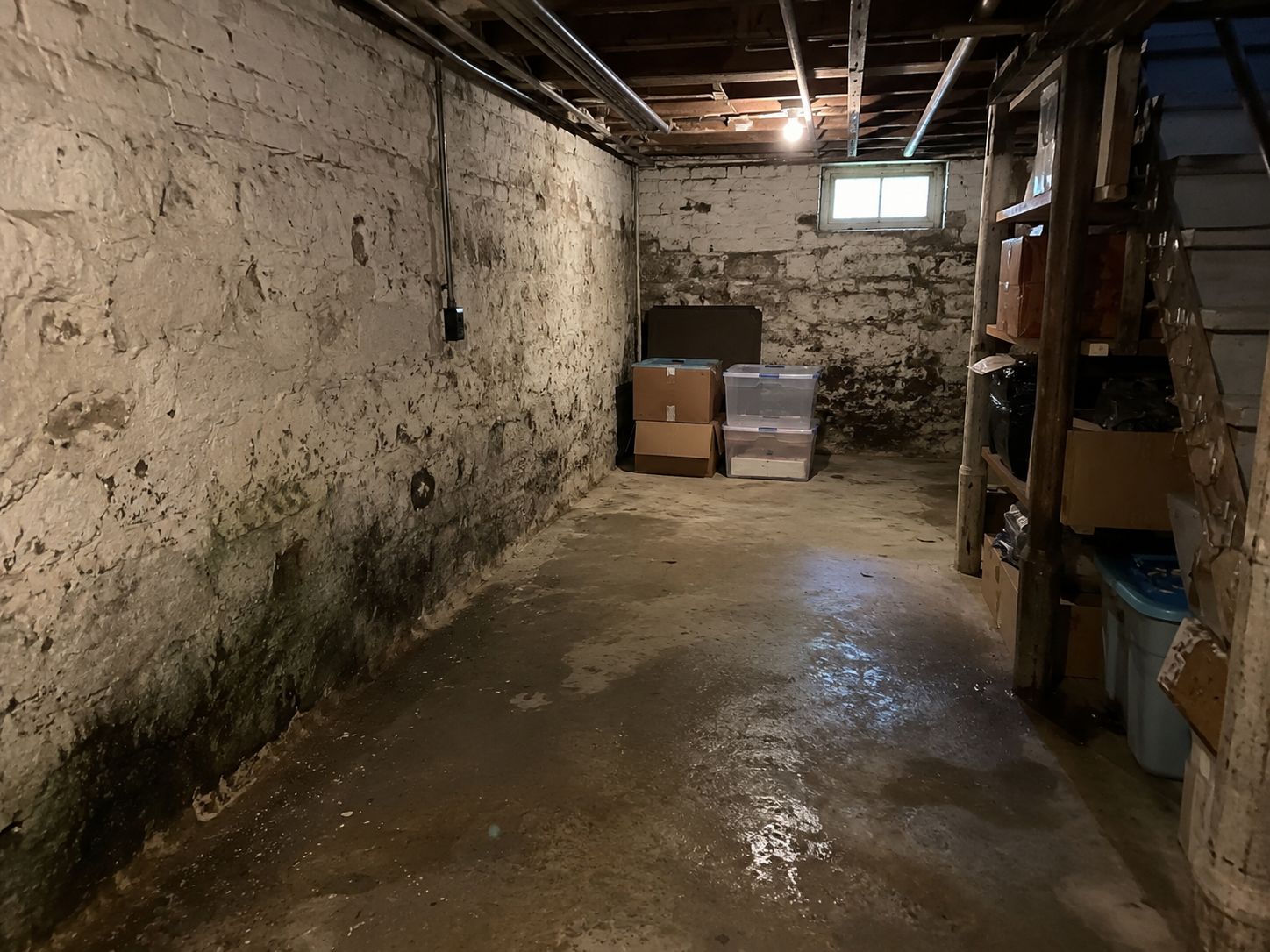
You're down in the cellar looking for a box of holiday decorations, and the bare bulb overhead throws just enough light to catch something on the block wall you don't remember being there. A crack, maybe eight inches long, running sideways instead of straight up and down. Or maybe it's not sideways at all. Maybe it zigzags, stepping across one block, up a joint, across the next block, like a staircase carved into the wall.
Either way, you stand there for a minute trying to decide if this is something or nothing. Every old house has cracks somewhere.
But not every crack is telling you the same story. The direction it runs is the first clue to which story you're in.
Why the Direction of a Crack Matters More Than Its Length
Concrete and masonry are good at handling weight pressing straight down on them. They are much worse at handling forces that pull or push sideways. When a foundation wall cracks, it's because some force exceeded what the material could take in tension, and the direction the crack travels usually lines up with the direction of that force.
That's the part homeowners tend to skip past. A three-inch vertical hairline and a three-inch horizontal line look about the same size at a glance. But they come from opposite kinds of stress. One is often the wall shrinking slightly as it cured decades ago. The other is often the wall being pushed on right now by something outside it. Length alone doesn't separate the two. Pattern does.
Direction Over Distance
A short crack running the wrong way can matter more than a long one running the expected way. Before you decide how worried to be, figure out which of the three basic patterns you're looking at: vertical, horizontal, or stair-step.
What a Horizontal Crack Is Telling You
A crack that runs sideways across a poured concrete or block foundation wall, roughly parallel to the floor, is the pattern that gets a waterproofing crew's attention fastest. It's usually a sign that the wall is being loaded with more lateral pressure than it was built to resist.
What's Pushing On The Wall
Hydrostatic pressure is a common cause: saturated soil becomes heavier after heavy rain or snowmelt, pushing against foundation walls. Clay-heavy, poorly draining NYC metro soils can intensify pressure, while expansive soil and frost heave add movement.
Where It Tends To Show Up First
Horizontal cracks commonly appear near the wall's midpoint, where bending stress from lateral pressure is greatest. This area may also reveal inward bowing, visible as a curve when viewed along the wall or checked with a straightedge.
What It Means Structurally
A horizontal crack indicates the wall may be losing its ability to resist outside pressure. Because soil pressure remains, movement can continue rather than stop naturally, making this pattern something that deserves prompt professional evaluation.
What a Stair-Step Crack Is Telling You
A stair-step crack is a different animal entirely, and it shows up almost exclusively in walls built from concrete block or brick, the kind of construction common in older homes across Queens, Brooklyn, and much of the rest of the city. Because those walls are built from individual units held together with mortar, and mortar is weaker than the block or brick itself, a crack traveling through that wall takes the path of least resistance: along the joints. That path looks like a staircase, stepping horizontally along one mortar line, then vertically up to the next, then horizontally again.
What's Actually Moving
The cause behind a stair-step crack is usually differential settlement, where one foundation section sinks or shifts faster than another. Uneven soil compaction, erosion, drainage problems, tree-root moisture loss, or poorly compacted fill can trigger movement beneath part of the house.
Reading Which Way It's Moving
A stair-step crack often widens toward one end, helping indicate where settlement is greatest. If wider near a bottom corner, that area may be dropping. Sticking doors, sloping floors, or gaps above the foundation can provide additional clues
Tip:
If you find a crack you want to keep an eye on rather than call about immediately, draw a short pencil line across each end of it and write the date next to the mark. Check it again in a month. If the crack has grown past your line, or a new gap has opened where the pencil marks used to line up, that's a sign of active movement rather than an old, stable crack.
Vertical Cracks: The Pattern That's Usually Less Urgent
It's worth naming the third pattern too, since it's the one most homeowners actually run into. A vertical crack, running straight up and down or close to it, is the most common type of foundation crack by a wide margin, and it's typically the least alarming.
Most vertical cracks trace back to ordinary shrinkage. Concrete loses water volume as it cures, and because the wall is anchored rigidly to the footing below it, it can't shrink evenly, so it relieves that tension by cracking in a thin, fairly uniform line. These often show up within the first few years after a wall was poured, though older walls can develop them too as materials continue to age.
A vertical crack can also come from minor, even settlement, where the whole section of wall drops slightly together rather than one side dropping more than the other. The tell here is whether both sides of the crack stay level with each other. If they do, and the crack isn't widening or leaking, it usually falls into the monitor-and-seal category rather than anything more urgent. If one side is noticeably higher than the other, that's a sign of the same kind of differential movement behind stair-step cracks, just showing up in a poured wall instead of a block one.
Why These Patterns Show Up So Often in NYC-Metro Homes
Foundations across Queens, Brooklyn, Manhattan, the Bronx, Staten Island, and the surrounding counties face a specific combination of conditions that makes crack patterns worth watching. Much of the housing stock here is decades old, built with masonry and block walls long before modern drainage and waterproofing standards existed, leaving less built-in tolerance for pressure than newer construction offers.
The water table sits high across much of the metro area, keeping soil saturated longer after storms and creating hydrostatic pressure against basement and cellar walls. Winter freeze-thaw cycles add to this, as trapped moisture repeatedly freezes and expands, producing a slow, cumulative widening effect on cracks that started out small.
Basements and cellars in older row houses and attached homes often sit close to neighboring structures, leaving less room for proper grading or drainage improvements, and adding shared stress from vibration and nearby excavation over the decades. Together, these conditions make reading the crack pattern correctly, rather than guessing from size alone, essential to what happens next.
Warning: If you notice a wall that has visibly bowed or bulged inward, if water is actively coming through a crack during or after a storm, or if a door or window that used to work fine now sticks or won't latch, don't wait for the next inspection cycle. Those signs point to movement that's already underway, and the longer a wall keeps flexing under pressure it wasn't built for, the fewer repair options stay on the table.
When the Pattern Says It's Time to Call a Professional
Some signs move a crack from "keep an eye on it" to "get someone out here" without much gray area in between. A horizontal crack belongs in that second category almost every time, because it points to a wall actively resisting a load it wasn't designed to carry alone. A stair-step crack that's wider than roughly a quarter inch, that's grown since you first noticed it, or that shows up alongside a bowing wall also belongs there.
Beyond the crack itself, watch for displacement, meaning one side of a crack sits noticeably higher or further forward than the other. Watch for water coming through the crack, particularly right after rain or snowmelt, since that's often hydrostatic pressure finding a path through a weak point. And watch for the secondary signs that show up elsewhere in the house: doors and windows that stick without explanation, floors that slope in one direction, or a gap opening between a wall and the ceiling or floor near it.
None of these signs require you to diagnose the exact cause yourself. What they call for is getting a trained eye on the wall before the movement behind the crack goes any further.
How a Professional Reads and Addresses the Pattern
A proper foundation inspection starts with identifying which pattern you're dealing with, since horizontal, stair-step, and vertical cracks call for different responses, not one universal fix. For a wall showing hydrostatic pressure, that means addressing the lateral load directly, often with carbon fiber straps, steel wall anchors, or steel I-beams, chosen based on how far the wall has moved.
For a stair-step crack tied to differential settlement, the repair has to deal with the settlement itself, not just the crack. Tuckpointing restores damaged mortar joints once the underlying movement is addressed, but sealing the crack without stabilizing the sinking section means it tends to reopen. Stabilization might involve improving drainage, correcting soil conditions, or reinforcing the footing.
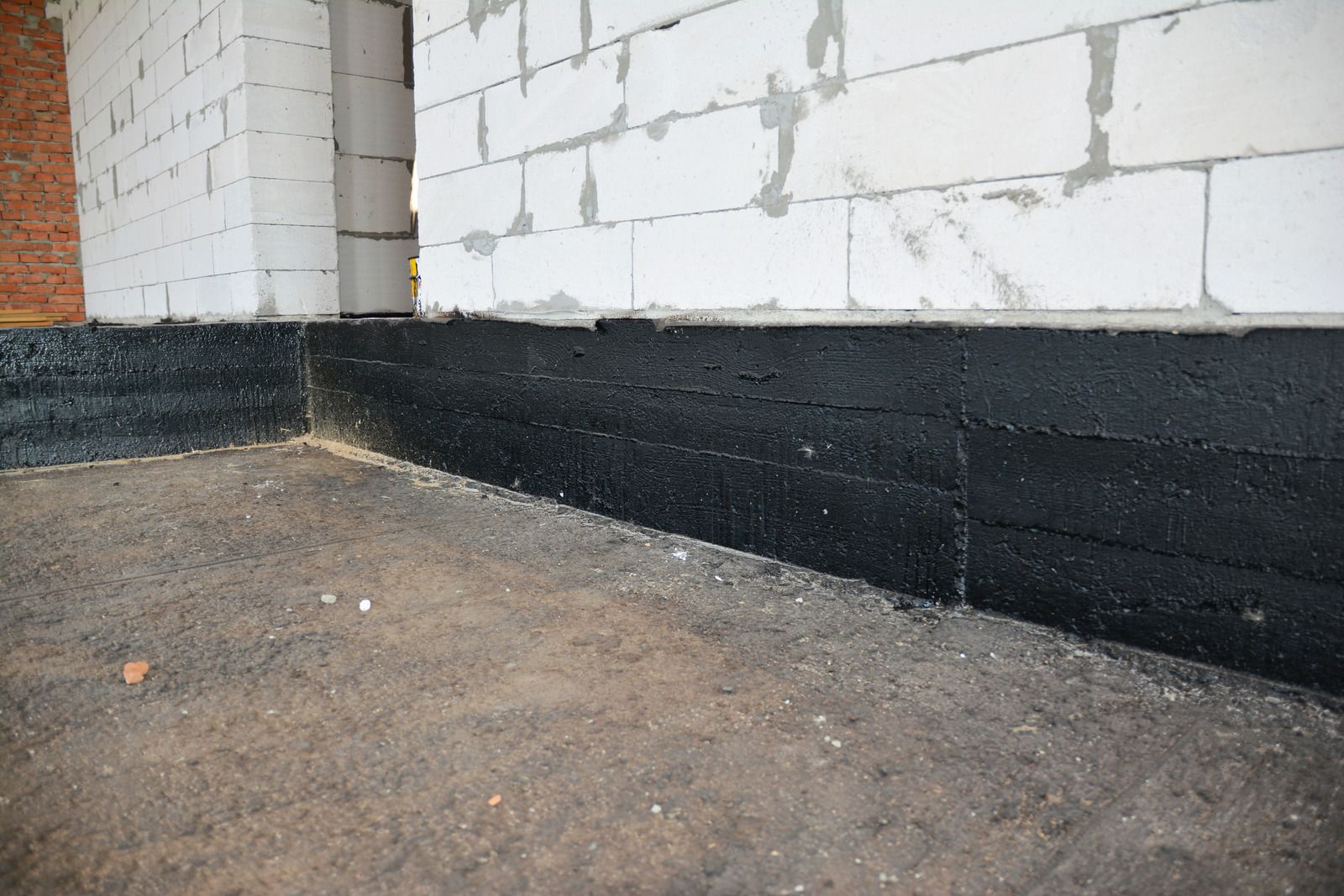
Cracks that are dry and stable are often sealed with epoxy injection, bonding the two faces back together. Actively leaking cracks typically call for polyurethane foam injection instead, since the foam expands on contact with moisture and creates a flexible, watertight seal. The injection method only works well when matched to the specific crack, which is why identifying the pattern comes first.
Frequently Asked Questions
Is a stair-step crack always more serious than a vertical one?
Generally, yes. Stair-step cracks signal differential settlement, one section moving relative to another. Vertical cracks usually trace to shrinkage or even settling. A narrow, stable stair-step is possible, but only a professional evaluation confirms it.
Can a horizontal crack ever be minor?
It can be early rather than severe, but minor isn't the right frame. A horizontal crack means the wall faces pressure it wasn't built to resist, so even a thin line deserves a professional look.
Why do stair-step cracks follow the mortar joints instead of cutting straight through the block?
Mortar is weaker than block or brick, so a wall under settlement stress cracks along the weakest material rather than through solid units. That's why the pattern steps along joints instead of a straight diagonal.
Does the width of a crack matter as much as its direction?
Both matter, but direction reveals the type of problem while width and growth reveal urgency. A hairline vertical crack under a sixteenth of an inch is cosmetic; even wider or growing cracks need close attention.
If my foundation is poured concrete instead of block, can I still get a stair-step crack?
No. Stair-step cracking describes the joint-following pattern found only in block or brick walls, since poured concrete has no mortar joints to follow. The same settlement in a poured wall typically produces a diagonal crack.
How do I know if a crack in an old NYC basement is new or has been there for decades?
Look for age clues: dust settled evenly inside the crack, old paint bridging the opening without a break, or efflorescence, white mineral residue moisture leaves behind. Sharp, clean edges with no debris mean recent damage.
Reading the Pattern Before It Reads You
A crack's direction tells a truer story than its size ever will. Horizontal lines point to pressure building from outside the wall. Stair-step patterns mark sections of a foundation settling at different speeds. Vertical hairlines usually trace back to nothing more than the wall curing and adjusting. Once you can name which pattern you're looking at, the vague question of "should I worry" turns into something specific and answerable.
HRC Waterproofing Inc.
has spent 25
years walking into basements across Jamaica, Queens, and the wider NYC metro, matching crack patterns to their actual cause rather than their size. That kind of pattern recognition, built over decades of block, brick, and poured-concrete walls, is what turns a crack on your basement wall from a mystery into information you can act on. A foundation rarely announces trouble loudly. It leaves a mark on the wall and waits to see who notices.