What Exterior Waterproofing Actually Involves and When It Is the Better Investment
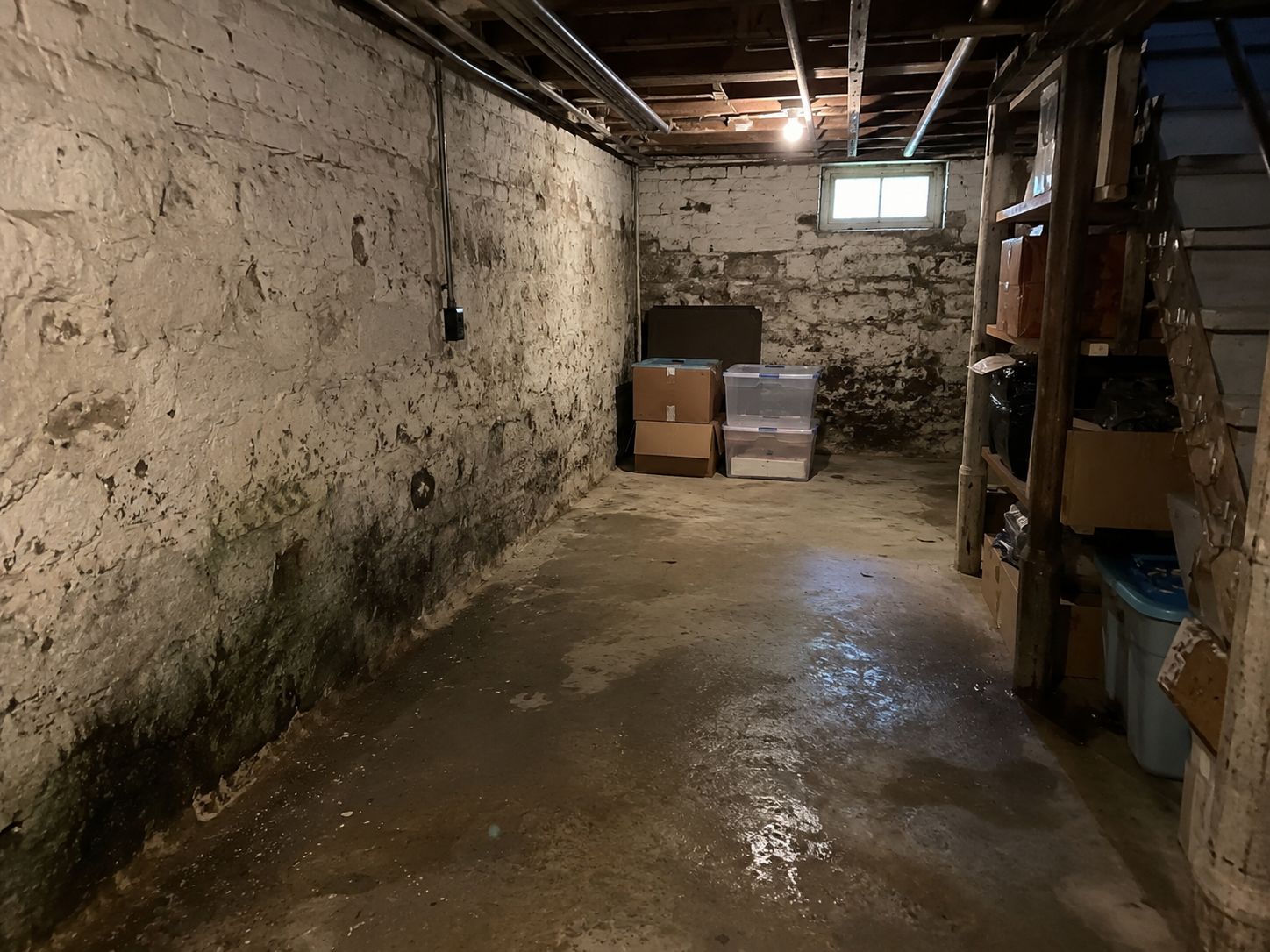
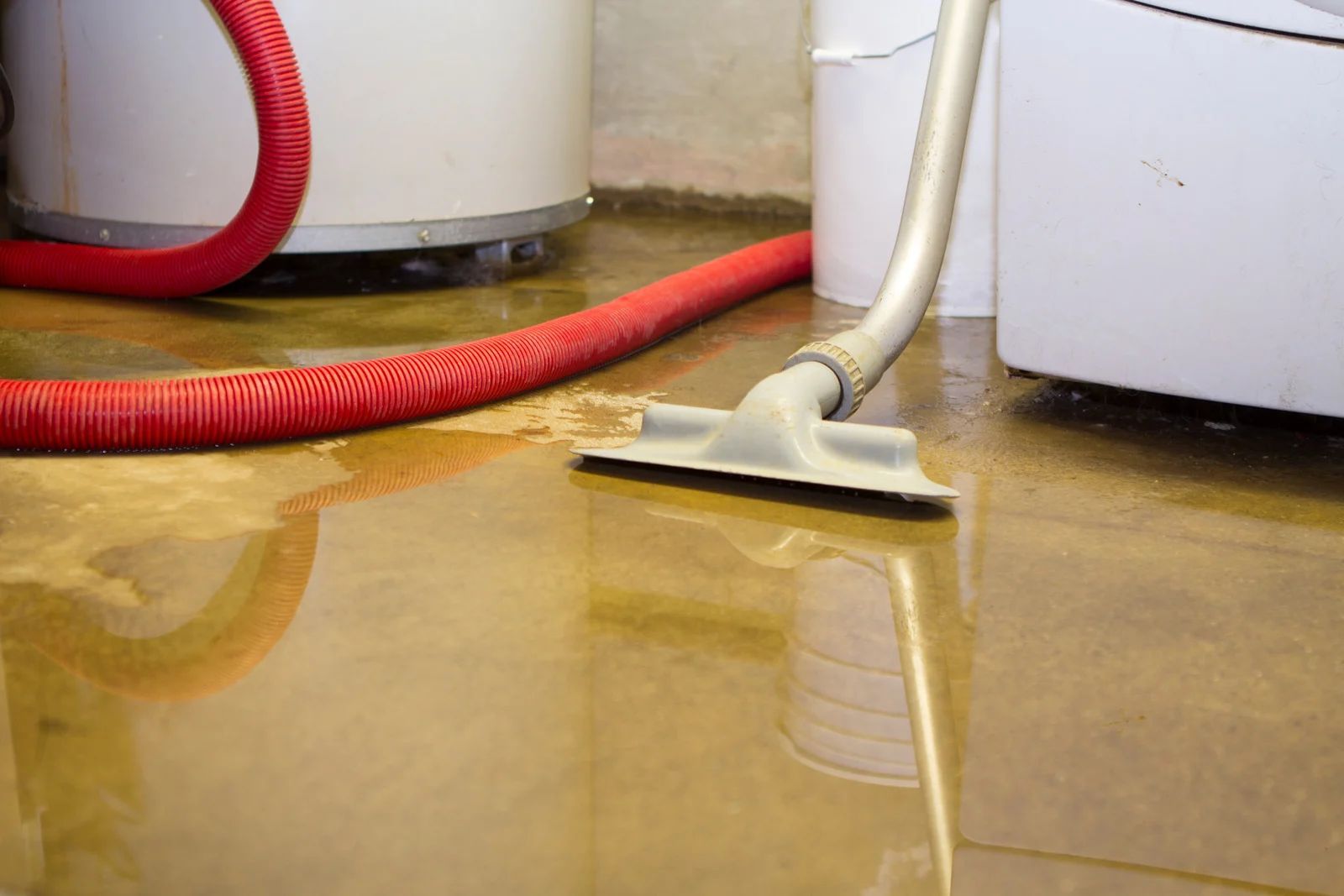
Water intrusion is one of the most damaging and frequently misunderstood problems a property owner can face. When moisture finds its way into a foundation, the damage does not stop at a damp wall or a wet corner. It compromises structural integrity, degrades materials over time, and creates conditions that invite mold, settling, and foundation movement. Yet many homeowners attempt to address the problem from inside the basement without ever treating the actual source.
Exterior waterproofing addresses water before it ever reaches the foundation wall. Rather than managing moisture that has already entered the structure, this approach stops infiltration at the point of contact between the soil and the foundation. It is a more involved process than interior methods, but for certain foundation conditions and water pressure levels, it is the appropriate solution rather than an optional upgrade. Understanding what exterior waterproofing actually involves, and when it is the right call, helps property owners make decisions grounded in the real condition of their structure.
What Exterior Waterproofing Actually Involves
The Core Principle: Stopping Water at the Source
Interior waterproofing systems manage water that has already entered a structure by redirecting it toward a sump pump. Exterior waterproofing, by contrast, targets the foundation from the outside and prevents water from making contact with the wall in the first place. This distinction matters significantly when hydrostatic pressure is the underlying cause of moisture intrusion.
Hydrostatic pressure builds when saturated soil pushes against a foundation wall with sustained force. Over time, that pressure causes water to work through cracks, joints, and porous masonry. Interior drainage can relieve some of that pressure, but it cannot stop the wall itself from absorbing moisture or sustaining damage. Exterior waterproofing eliminates the pressure source.
The Excavation Stage
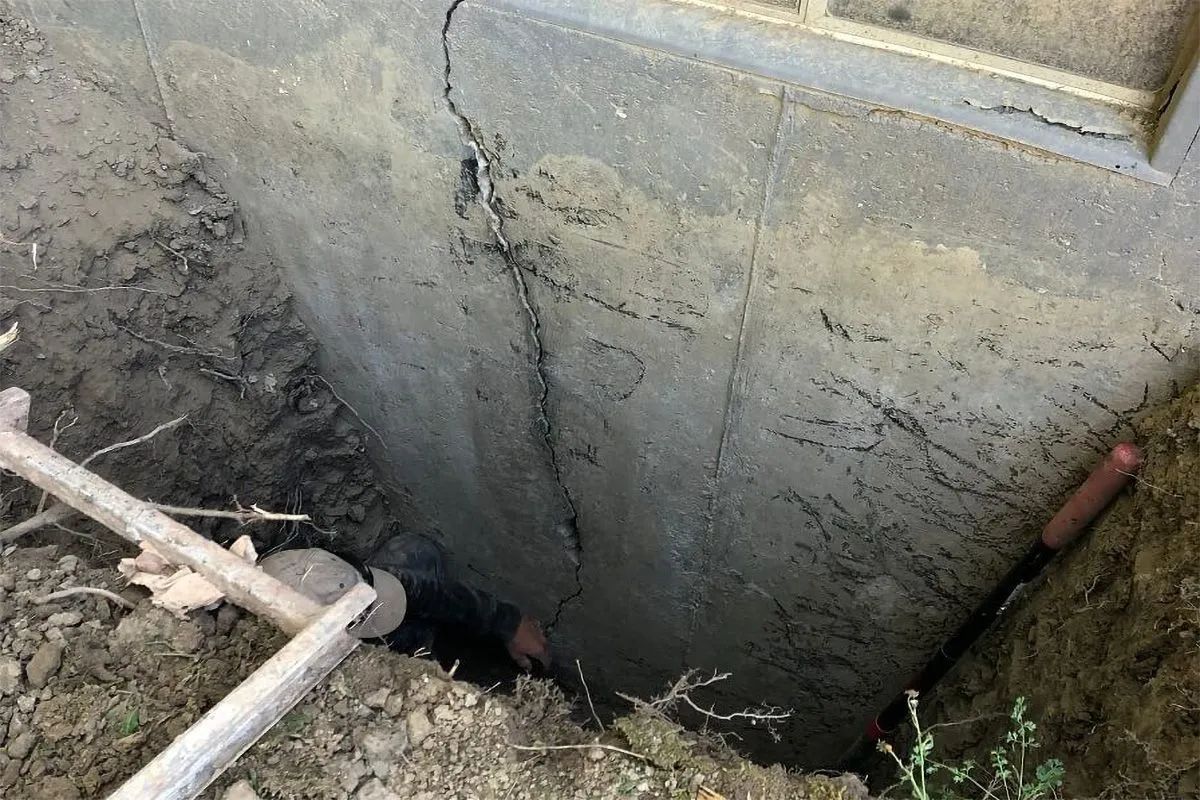
Exterior waterproofing begins with full excavation around the affected portion of the foundation, typically down to the footing. This is one of the most labor-intensive steps in any foundation waterproofing project. The excavation exposes the entire exterior face of the foundation wall, which must be fully accessible to properly clean, repair, and coat.
Once exposed, the wall surface is cleaned of soil, debris, and any deteriorating material. Existing cracks are addressed with hydraulic cement or polyurethane injection before any membrane is applied. Skipping this repair step before applying a waterproofing membrane is one of the more common errors in inadequate exterior work, and it results in membrane failure at precisely the points where failure is most damaging.
Waterproofing Membrane Application
After the wall is cleaned and repaired, a waterproofing membrane is applied directly to the exterior face. The two most common materials used are rubberized asphalt sheet membranes and liquid-applied polymer membranes. Each has specific application conditions and performance characteristics.
| Membrane Type | Application Method | Best Suited For |
|---|---|---|
| Rubberized Asphalt Sheet | Adhered directly to wall | New construction, smooth block walls |
| Liquid-Applied Polymer | Brush, roller, or spray | Irregular surfaces, existing structures |
| Bentonite Panels | Staked or adhered panels | High groundwater, commercial foundations |
The membrane must extend from the top of the foundation wall down to the footing to provide complete coverage. Gaps or seams that are not properly sealed create pathways for water penetration that can take years to detect but cause ongoing damage in the meantime.
Drainage Board and Gravel Layer
A drainage board, also called a dimple mat, is installed over the membrane before backfilling. This board creates an air gap between the soil and the membrane, allowing groundwater to move downward rather than pressing directly against the waterproofed surface. Without a drainage board, backfill soil can create contact pressure that compromises the membrane and accelerates wear.
At the base of the foundation, a perforated drain tile or footing drain is installed to carry collected water away from the structure. This pipe sits in a bed of clean stone and connects either to a sump basin, daylight outlet, or municipal drainage system depending on site conditions. The footing drain is a critical component because it gives the water collected by the drainage system a path out of the soil zone around the foundation.
When Exterior Waterproofing Is the Right Choice
- Structural Wall Damage:- When a foundation wall shows signs of bowing, cracking, or spalling, the damage is happening to the wall itself. Interior drainage systems reroute water but do not address wall deterioration. Exterior waterproofing, combined with any necessary structural repair, addresses both the cause and the damage directly. In these cases, excavating the exterior is not simply a waterproofing measure. It is part of a structural rehabilitation.
- Persistent Moisture Despite Interior Systems:- Some properties have had interior waterproofing installed and continue to experience moisture problems. When interior drainage has been in place and the issue persists, the source of the problem is often at the exterior of the foundation wall rather than below the floor slab. Exterior waterproofing in these situations resolves what interior drainage cannot.
- New Construction and Pre-Purchase Scenarios:- Exterior waterproofing is significantly easier to install during construction before backfill is placed. Any new foundation that is located in an area with high water tables, clay-heavy soils, or significant annual rainfall should have exterior waterproofing applied as a standard measure rather than a reactive one. For buyers doing due diligence on older homes, foundation inspections that reveal chronic moisture patterns may also lead to a recommendation for exterior work before occupancy.
- Negative Side Water Pressure:- In certain conditions, particularly in areas with high water tables, water approaches the foundation with enough force that interior systems cannot adequately manage it. Negative side pressure refers to water pressure exerted against the interior face of the wall. Exterior membranes, by placing a barrier on the positive side (the side from which water originates), are far better suited to address this condition than any interior coating or drainage channel.
- Challenges and Honest Considerations:- Exterior waterproofing requires excavation, which means landscape disruption, equipment access, and a longer project timeline than interior alternatives. Established plantings, hardscape features, and utility lines near the foundation all affect the scope and complexity of the excavation process.
For properties where excavation is not feasible due to adjacent structures, setbacks, or utility conflicts, interior waterproofing may be the only practical option even when exterior work would otherwise be preferable. The goal is always to match the solution to the actual site and structural conditions rather than to apply a single approach regardless of circumstances.
Reliable Exterior Waterproofing From a Team That Knows Foundations
Exterior waterproofing is a precise, multi-step process that addresses moisture at its point of origin rather than managing it after it enters a structure. From excavation and wall repair to membrane application, drainage board installation, and footing drain placement, each phase serves a specific function in a system designed to stop water pressure before it causes structural harm. When foundation walls show active damage, when interior systems have fallen short, or when site conditions create persistent hydrostatic pressure, exterior waterproofing is the appropriate response.
Understanding the process helps property owners recognize what a thorough solution actually looks like and why the depth of work involved is necessary rather than excessive. A properly executed exterior waterproofing project treats the foundation as a complete system rather than addressing symptoms in isolation.
At HRC Waterproofing Inc., we have spent 25
years addressing foundation moisture problems throughout Jamaica, Queens, New York, and the surrounding boroughs. We bring that experience to every project we take on, whether the work involves a straightforward membrane installation or a full foundation excavation with structural wall repair. Our approach begins with a thorough assessment of the actual moisture source, the condition of the foundation wall, and the drainage characteristics of the surrounding soil. We do not recommend exterior waterproofing when it is not warranted, and we do not recommend interior drainage when exterior work is what the structure requires. What we provide is an accurate diagnosis and a solution matched to what the foundation actually needs. For property owners dealing with persistent moisture, foundation cracks, or failed previous waterproofing, HRC Waterproofing Inc.
is the place to start.
Frequently Asked Questions
1. How deep does excavation typically go during exterior waterproofing?
Excavation usually extends down to the base of the footing, which can range from four to eight feet or more depending on the depth of the foundation and local frost line requirements. Full-depth access is necessary to apply the membrane across the entire wall surface.
2. Can exterior waterproofing be applied to both block and poured concrete foundations?
Yes. Both foundation types are candidates for exterior waterproofing, though the surface preparation and membrane selection may differ. Poured concrete typically offers a smoother application surface, while block walls may require additional crack repair and filling before membrane installation.
3. How long does an exterior waterproofing membrane last?
High-quality rubberized asphalt and polymer membranes are designed to perform for the life of the structure when properly installed with a drainage board and footing drain. The drainage components, particularly the drain tile, may require inspection or flushing over time to maintain flow capacity.
4. Does exterior waterproofing affect the structural strength of the foundation?
Exterior waterproofing does not weaken the foundation. When combined with structural repairs, it often strengthens the wall by addressing existing cracks and deterioration before sealing the surface. The excavation process itself is temporary and does not compromise the foundation during installation when done properly.
5. Is exterior waterproofing always preferable to interior waterproofing?
Not necessarily. The right approach depends on the source and nature of the moisture problem, site accessibility, foundation condition, and soil characteristics. In many cases, exterior waterproofing is the more complete solution. In others, interior drainage is appropriate or may be combined with exterior work for maximum protection.