Basement Floods Every Time It Rains Hard? Why the Water Keeps Finding a Way In
Quick Answer: When your basement floods every time it rains hard, the water is almost never coming through one dramatic hole. It is being pushed in by hydrostatic pressure as saturated soil builds up around and under the foundation, and it finds the weakest points it can reach, cracks in the walls or floor, the cove joint where the wall meets the slab, porous concrete, and gaps around pipes. Surface water from overflowing gutters and poor grading feeds that pressure. Because the cause is water management rather than a single crack, patching one spot rarely stops it, which is why the flooding keeps coming back with the next heavy storm.
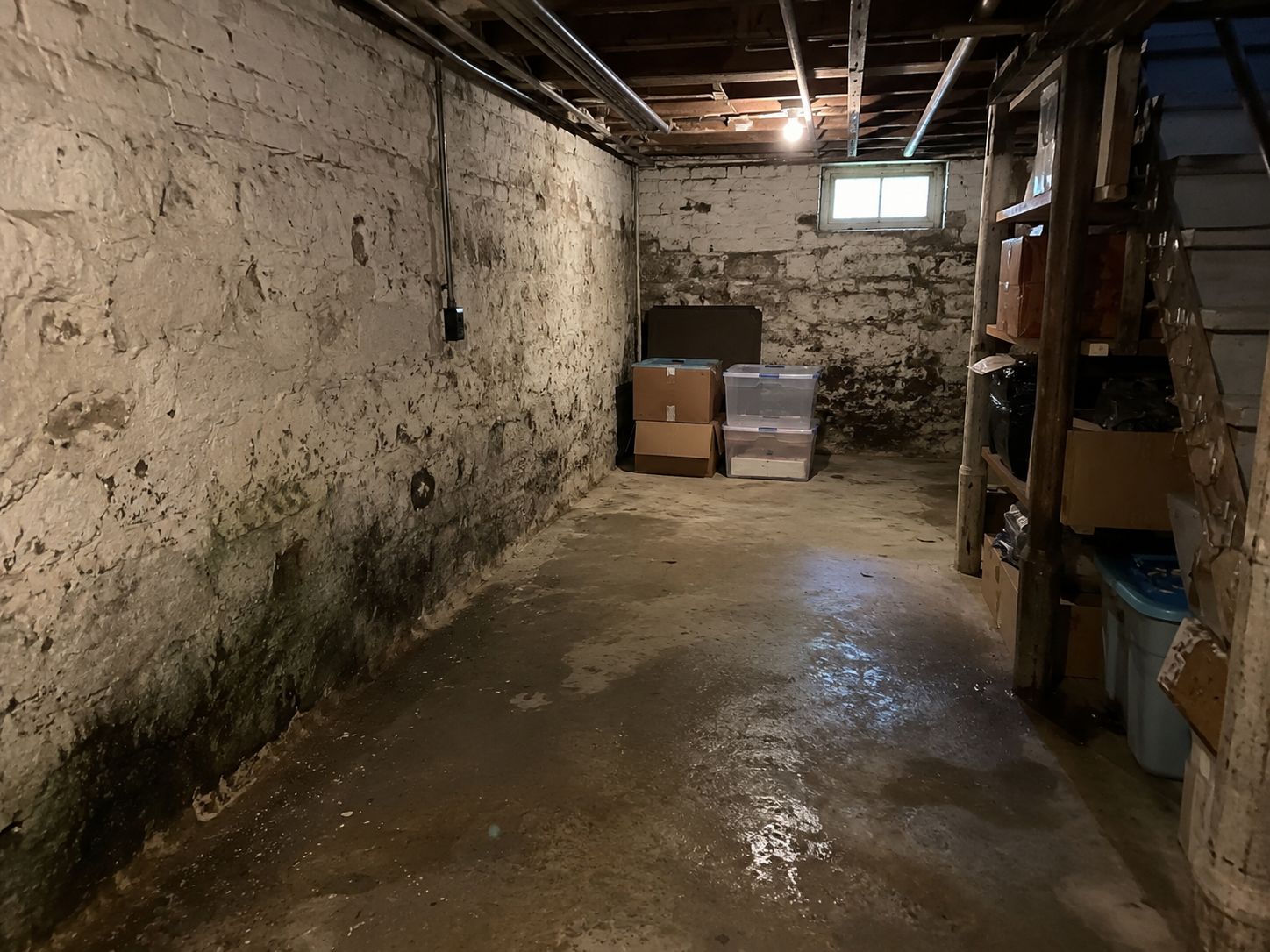
You know the pattern by now. The forecast calls for a heavy rain, and instead of thinking about your day, you are thinking about the basement. The storm rolls through, and a few hours later you are down there with a shop vac, a mop, and a sinking feeling, watching water spread across the floor from a spot you cannot quite pin down. It dries out over the next few days, you tell yourself it was just a bad storm, and then the next hard rain does the exact same thing.
If your basement floods every time it rains hard, the frustrating part is usually not the water itself. It is that you cannot see how it gets in. There is no obvious pipe, no gushing hole in the wall, just water that appears, seemingly out of nowhere, whenever the ground outside gets soaked. In older masonry homes across Queens, Brooklyn, and the rest of the NYC metro, this is one of the most common calls a waterproofing crew gets, and the reason it keeps happening is almost always the same. The water is not leaking in. It is being pushed in.
The Real Driver Is Pressure, Not a Leak
Here is the piece most homeowners miss. When rain saturates the soil around your foundation, that wet soil gets heavy, and the water in it has nowhere to go. It presses against your basement walls and up against the floor slab from below. That force has a name: hydrostatic pressure. According to Roto-Rooter, as water builds up in saturated soil, it creates pressure against basement walls and floors, and over time that pressure forces moisture through small openings such as cracks, porous concrete, or the joint where the wall meets the floor.
Saturated soil and a rising water table
Two things happen during a hard rain. First, the ground around your house fills with more water than it can drain away, so it stays saturated for hours or days. Second, during prolonged or intense rainfall the water table can rise temporarily, as Roto-Rooter notes, which means water can start pushing in from below through the slab or the wall-floor joint, not just from the sides. In much of the NYC metro, where the water table already sits high and lots are tight, that rising groundwater is a bigger factor than people expect.
Why a well-built foundation still lets water in
It feels wrong that a solid concrete or block wall would let water through, but Roto-Rooter is blunt about it: even well-built foundations can allow water in under sustained pressure. Concrete is porous, block is hollow, and no wall is truly waterproof once the ground outside becomes a saturated sponge pressing against it. That is why the flooding tracks the weather so precisely. The wall is not failing. It is simply losing a contest with the pressure behind it.
Where the Water Actually Sneaks In
Once you understand that pressure is doing the pushing, the mystery of the vanishing entry point starts to make sense. Water under pressure does not need a big opening. It exploits every small one it can find. FEMA describes four basic ways water gets into a basement: through the sump or drainage system, by backing up through sewer lines, by seeping through cracks in the walls and floor, and through windows and doors as overland flooding. During a hard rain, you may be dealing with more than one of these at the same time.
The cove joint where the wall meets the floor
This is the single most common entry path, and it is why so many homeowners see water appear along the base of the wall rather than from any visible crack. The cove joint is the seam where the foundation wall sits on the footing and the floor slab meets it. As Heartland Foundation Repair explains, this connection point is often not fully sealed during construction, which creates a natural path for water under pressure. When the water table rises, water travels up and out through that seam.
Cracks and porous concrete
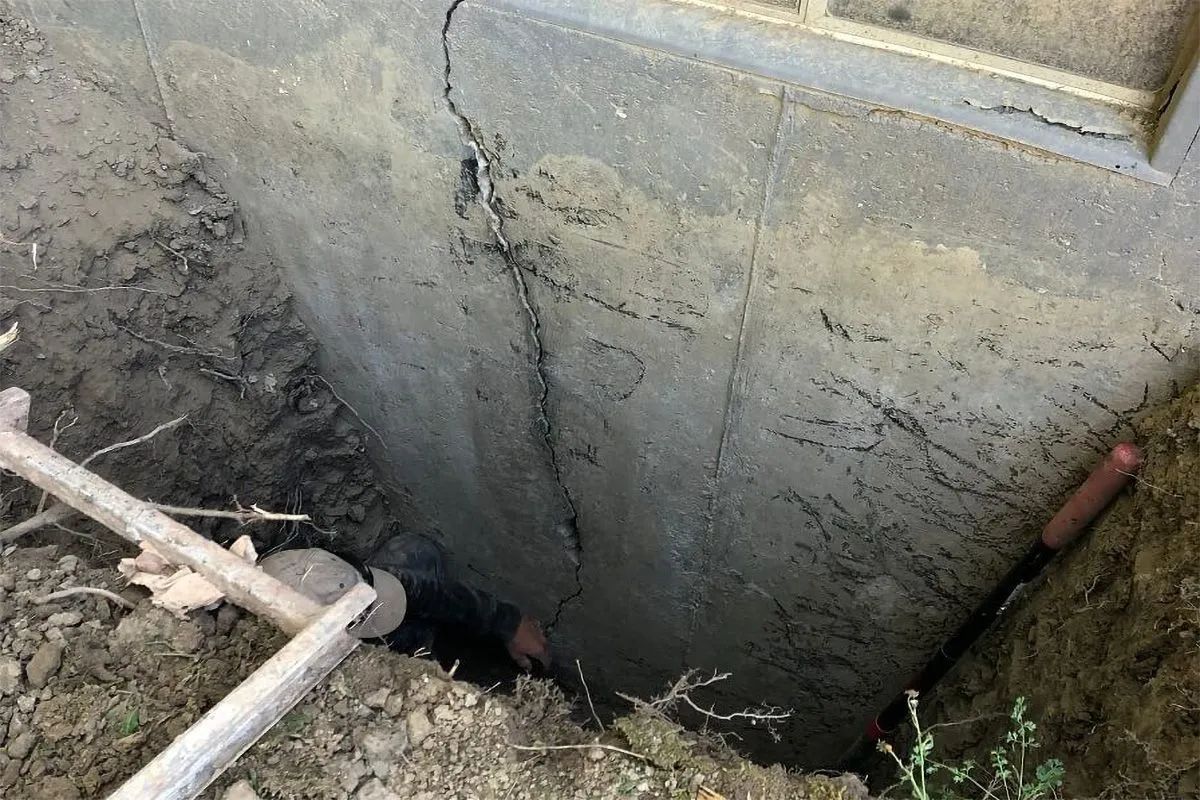
Hairline cracks you would never notice on a dry day become highways for water once there is pressure behind them. Water pushes through these openings along with porous spots in the concrete itself, which is why leaks can show up at several places at once. Roto-Rooter lists cracks in foundation walls or floors, the cove joint, porous concrete, and gaps around pipes and utility penetrations as the structure's weakest points where water finds its way inside.
Surface water making everything worse
Not all of the problem comes from deep groundwater. A lot of it is roof runoff and yard water that never gets carried away from the house. When gutters overflow or downspouts dump right next to the foundation, that roof water piles into the soil right where you least want it, feeding the very pressure that pushes into the basement. State Farm, cited by SERVPRO, recommends downspouts extend about 10 feet from the property to keep runoff away from the foundation. When they do not, you are essentially watering your own foundation every time it storms.
Tip:
After the next hard rain, go down with a flashlight while things are still wet and note exactly where the water first appears and how high it climbs. Water rising along the base of the walls points toward the cove joint and hydrostatic pressure, while a stain or trickle from higher up points toward a specific crack or a window well. That map of where and how high is the single most useful thing you can hand a waterproofing pro.
How a Real Solution Manages the Water
Because the flooding is a water-management problem, the durable fixes are the ones that give water somewhere controlled to go instead of into your living space. Which combination fits your home depends on where the water is coming from and how often it shows up.
Interior drainage and a sump system
The most common long-term fix for recurring basement water is an interior perimeter drainage system. As Heartland describes it, a trench is cut along the base of the basement floor where it meets the wall, a drainage channel is installed to intercept water before it reaches the living space, and that water is directed to a sump pump that removes it from the house. This works with the water instead of against it, relieving the pressure at the cove joint rather than sealing it shut.
Battery backup for the storms that matter most
Here is a hard truth about hard rains: they often knock out the power right when you need the pump. FEMA calls a battery backup pump an inexpensive safeguard against basement flooding, noting it goes to work when water in the sump reaches the float switch, and that some newer models sound an alarm when a maintenance issue arises. Roto-Rooter makes the same point, warning that without a backup a working sump pump can still fail at the exact moment it is needed. If your worst flooding comes during the biggest storms, a backup is not a luxury.
Exterior drainage and grading fixes
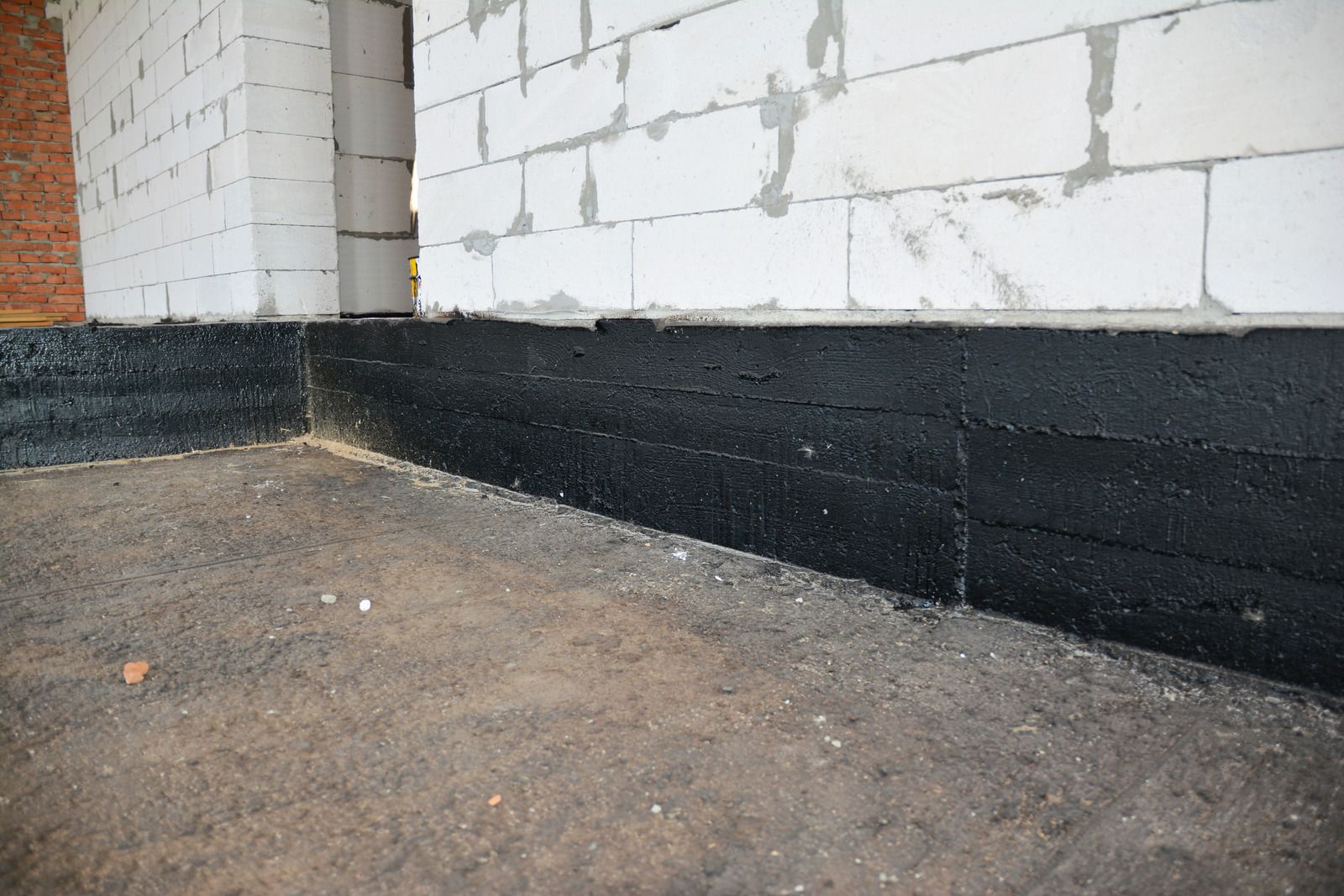
For some homes, the answer includes work outside: waterproof membranes on the exterior walls, exterior drains, and regrading the soil so it carries water away rather than into the foundation. Often the best results come from a combination, interior drainage to a backed-up sump paired with corrected grading and extended downspouts, so you are cutting both the groundwater pressure and the surface water that feeds it.
Why timing matters after a flood
There is one more reason not to let a wet basement ride from storm to storm. FEMA notes that after water gets in, time is critical because mold can appear in one or two days, and Roto-Rooter similarly warns that damp materials can develop mold within 24 to 48 hours. Framed purely as a moisture and process issue, the takeaway is that repeated wetting and slow drying keep your basement in exactly the condition that invites musty odors and material breakdown, which is one more reason to stop the water rather than mop it up again.
Frequently Asked Questions
Why does my basement only flood when it rains hard, not during light rain?
Light rain rarely saturates the surrounding soil enough to create hydrostatic pressure. Heavy, sustained rainfall raises groundwater levels and pushes water through foundation cracks or cove joints, causing basement flooding during stronger storms instead of lighter showers.
The water seems to come up from the floor or along the base of the wall. What does that mean?
Water appearing along the wall-floor seam usually indicates hydrostatic pressure forcing groundwater through the cove joint beneath the foundation. Rising groundwater during storms follows the easiest path, making leaks appear from the floor instead of walls.
I sealed the cracks and it still floods. Why did that not work?
Sealing visible cracks only blocks one opening without reducing hydrostatic pressure outside the foundation. Water simply finds another weak spot, making interior sealants temporary while drainage improvements provide a more dependable long-term waterproofing solution instead.
Could my gutters and yard really be causing a flooded basement?
Yes. Overflowing gutters, short downspouts, and poor yard grading allow rainwater to collect beside the foundation. Saturated soil increases hydrostatic pressure, making basement leaks more likely during storms until drainage problems are properly corrected outside.
Do I need a sump pump if I have never had one?
If water enters your basement during heavy rainfall, a sump pump may help remove groundwater before flooding worsens. Adding a battery backup provides protection during storms when electrical outages often occur alongside heavy rainfall events.
How fast do I need to act after the basement gets wet?
Act immediately after discovering basement water. Wet materials can begin developing mold within twenty-four to forty-eight hours, while repeated moisture damages finishes and structures. Fast drying and professional waterproofing help prevent ongoing problems and future flooding.
Getting Ahead of the Next Storm
A basement that floods every hard rain is not bad luck and it is not usually a single dramatic failure. It is saturated soil building pressure against a foundation that, like every foundation, has weak points where water under pressure can push through. The reason you cannot find the entry hole is that there often is not one, just a cove joint, a few porous spots, and a hairline crack all giving way at once when the ground outside turns to sponge. Patching those spots without relieving the pressure is why the problem keeps coming back.
The way out is to manage the water instead of fighting it, cut the surface water feeding the soil, and give the groundwater a controlled path to a pump instead of into your floor. Once that is in place, the forecast stops being something you dread.
Schedule a
basement waterproofing
assessment before the next heavy storm in Jamaica, Queens, New York — If your basement floods every hard rain, the water is being pushed in by pressure that a patched crack will never hold back, and every storm that soaks it keeps the space in a damp, deteriorating cycle. With 25
years of experience, HRC Waterproofing Inc.
traces exactly where and how the water is entering, whether it is the cove joint, a rising water table, or surface runoff feeding the soil, and designs a drainage and sump solution that relieves the pressure and keeps the basement dry through the storms that used to flood it. Reach out to book your inspection and stop mopping up after every rain.