What to Expect During a Professional Basement Waterproofing Project From Start to Finish?
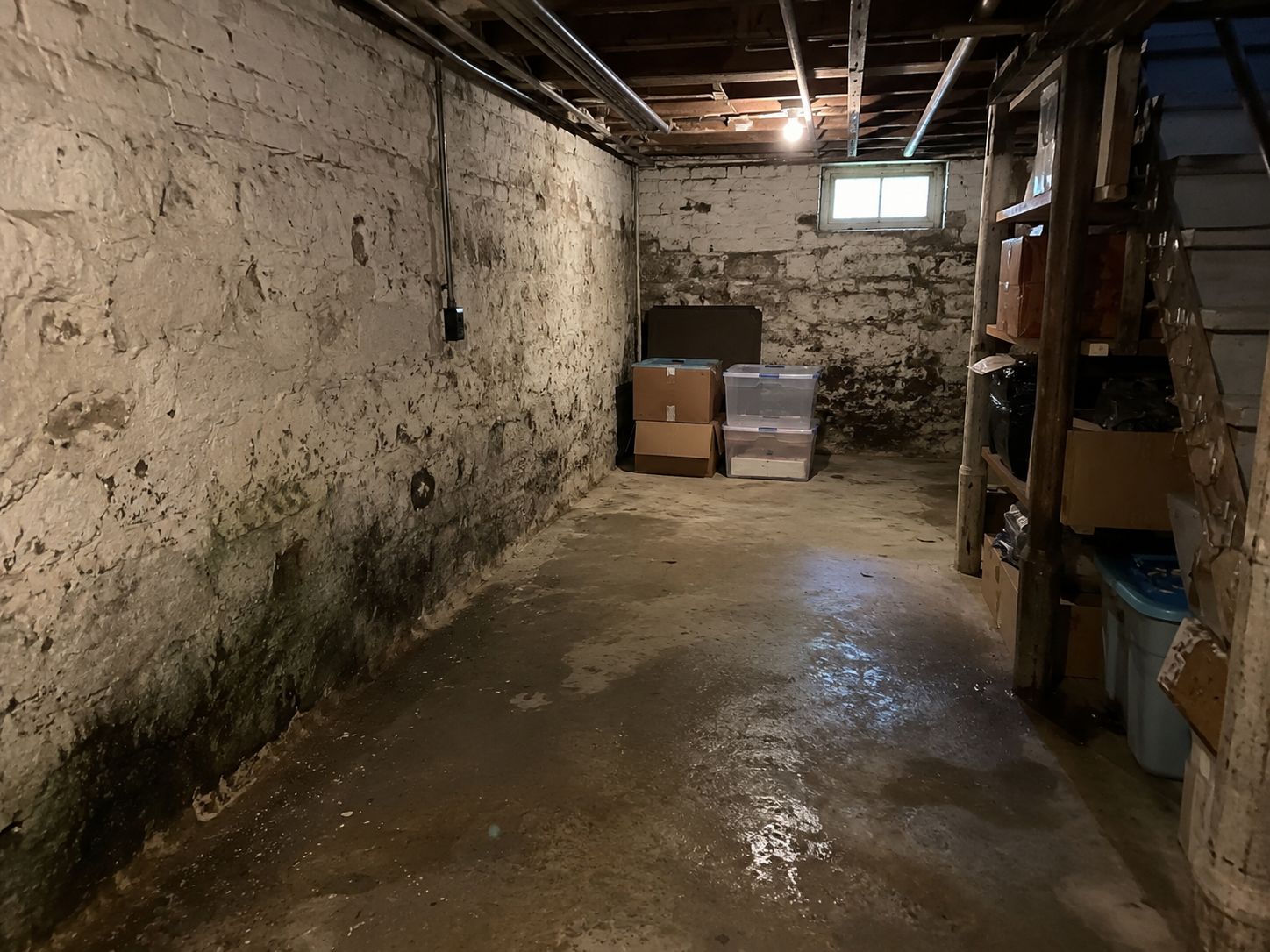
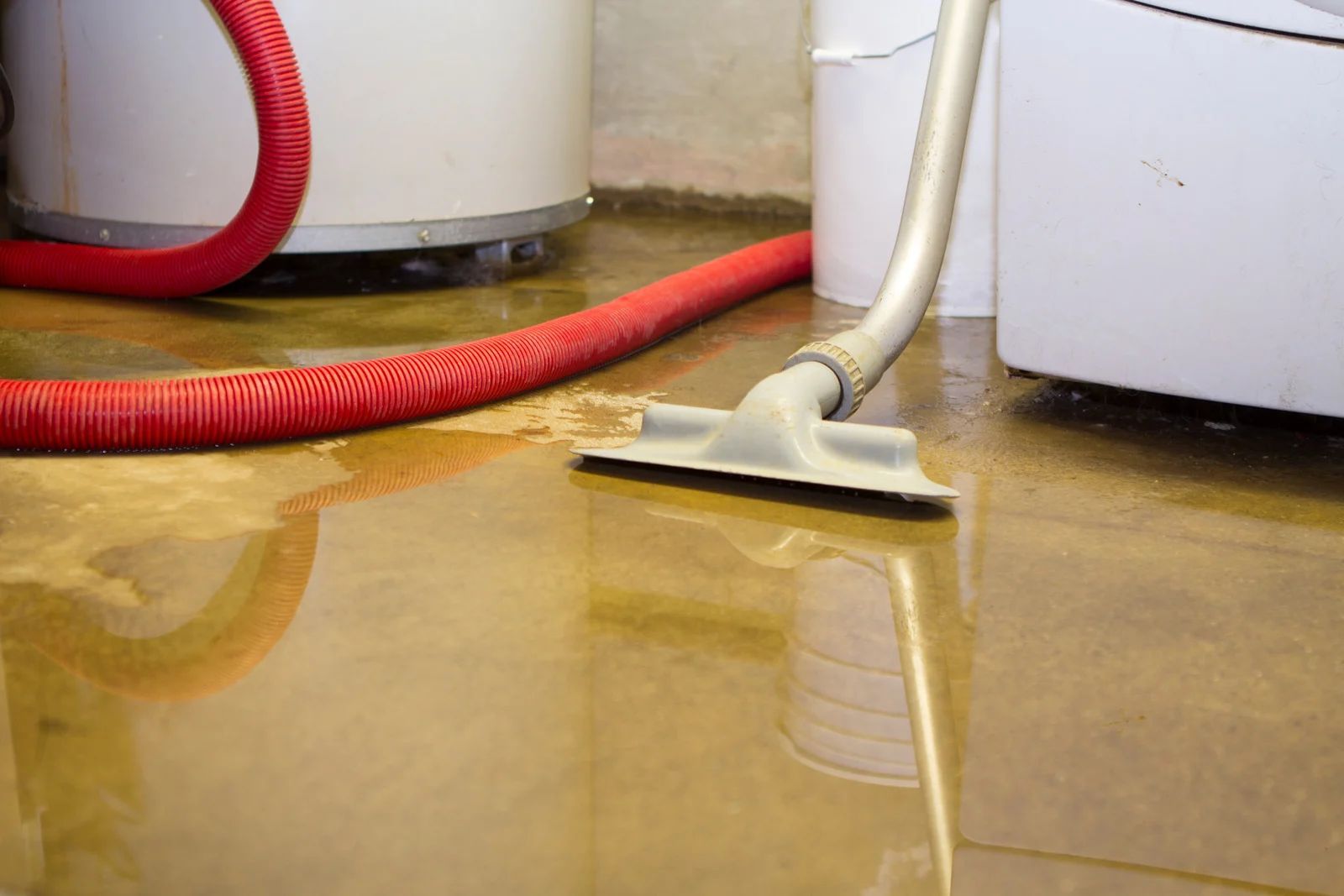
Water intrusion inside a basement can create serious structural and environmental concerns for residential and commercial properties. Moisture entering through foundation walls, floor cracks, window wells, or drainage failures often leads to mold growth, wood rot, damaged belongings, musty odors, and weakened foundation components. Property owners frequently notice warning signs such as damp walls, standing water, peeling paint, or increased indoor humidity long before major structural damage appears. Professional basement waterproofing helps address these problems at the source while protecting the long-term condition, safety, and value of the property. As weather patterns, groundwater pressure, and aging foundations continue to affect buildings across many regions, waterproofing services have become an essential part of responsible property maintenance and foundation protection. Ignoring early moisture issues can eventually result in expensive structural repairs, reduced indoor air quality, and long-term damage to finished basement spaces. Investing in professional waterproofing solutions early helps property owners avoid larger complications while improving the durability and reliability of the foundation over time.
A professional basement waterproofing project involves far more than applying a simple sealant to interior walls. The process includes detailed inspections, drainage evaluations, moisture testing, foundation assessments, and customized repair strategies designed around the property’s specific conditions. Every project follows a structured sequence that helps identify hidden causes of water intrusion before repairs begin. Understanding what happens during each stage of the waterproofing process allows property owners to prepare properly, ask informed questions, and make confident decisions. Knowing what to expect also helps reduce uncertainty while ensuring the project moves smoothly from inspection to final completion. Professional waterproofing contractors also help property owners understand maintenance requirements, drainage improvements, and preventative measures that support long-term moisture control. A clear understanding of the process allows homeowners and commercial property owners to make informed choices while protecting their investment from future water-related damage.
Initial Basement Inspection and Moisture Assessment
Understanding the Source of Water Intrusion
Every professional basement waterproofing project begins with a detailed inspection. Identifying the true source of moisture is one of the most important steps because water intrusion can develop from multiple causes at the same time. Foundation cracks, hydrostatic pressure, poor grading, clogged drainage systems, damaged gutters, and deteriorated waterproof barriers can all contribute to basement moisture problems.
During the inspection process, professionals examine both the interior and exterior areas surrounding the property. Interior inspections often focus on wall staining, efflorescence, mold development, floor cracks, water lines, and humidity levels. Exterior evaluations may include grading conditions, soil movement, drainage slopes, downspout placement, and visible foundation deterioration.
Evaluating Structural and Drainage Conditions
Waterproofing specialists also assess the structural condition of the foundation before recommending solutions. Small hairline cracks may only require targeted sealing, while larger shifting cracks may indicate structural movement that requires repair before waterproofing begins.
Drainage systems play a major role in basement moisture control. If water collects around the foundation because of improper drainage, pressure can build against basement walls and force moisture inside. Evaluating existing drainage conditions helps determine whether solutions such as French drains, sump pumps, or exterior waterproof membranes are necessary.
For example, a homeowner experiencing occasional basement seepage during heavy rain may discover that overflowing gutters are directing water toward the foundation. In another situation, constant moisture along basement walls may indicate long-term hydrostatic pressure beneath the property. Accurate diagnosis allows waterproofing plans to address root causes rather than temporary symptoms.
Planning the Waterproofing Strategy and Project Preparation
Choosing the Right Waterproofing Method
After completing the inspection, professionals develop a waterproofing strategy tailored to the property’s needs. No two waterproofing projects are exactly alike because foundations, soil conditions, drainage patterns, and water intrusion levels vary significantly between properties.
Some projects may require interior waterproofing systems, while others need exterior excavation and full foundation waterproofing. In certain cases, combining both methods provides the strongest long-term protection.
Common waterproofing solutions include:
- Interior drainage systems
- Sump pump installation
- Crack injection repairs
- Exterior waterproof membranes
- French drain systems
- Vapor barriers
- Crawl space encapsulation
- Foundation stabilization repairs
The chosen approach depends on the severity of water intrusion, accessibility around the property, and overall foundation condition.
Preparing the Property Before Work Begins
Preparation is another important phase of the project. Property owners may need to move furniture, storage boxes, appliances, or finished basement materials away from work areas. In larger projects, sections of drywall or flooring may require removal to expose damaged foundation surfaces.
Professional waterproofing crews often protect surrounding areas using plastic barriers, floor coverings, and dust-control measures. Clear communication during this stage helps property owners understand the timeline, expected disruptions, and daily work schedule.
For exterior waterproofing projects, excavation equipment may be necessary to access foundation walls below ground level. Landscapes, walkways, and nearby structures are carefully considered before excavation begins. Proper planning helps reduce unnecessary disruption while improving jobsite safety throughout the project.
A well-organized preparation phase helps waterproofing work proceed more efficiently while reducing delays caused by hidden damage or inaccessible work areas.
Basement Waterproofing Installation Process
Interior Waterproofing Procedures
Interior waterproofing projects often begin by creating controlled drainage pathways beneath the basement floor. Technicians may remove narrow sections of concrete along perimeter walls to install interior drain tile systems that redirect water toward a sump pump basin.
Sump pumps serve as a critical component in many waterproofing systems because they collect and discharge groundwater away from the foundation before flooding occurs. Battery backup systems may also be installed to provide additional protection during power outages or severe storms.
Wall cracks are commonly repaired using epoxy or polyurethane injection methods designed to seal moisture entry points. Vapor barriers may also be added along basement walls to help control humidity and reduce condensation.
Interior waterproofing offers several advantages, including reduced excavation requirements and improved water management inside the structure. This approach is often recommended when exterior access is limited or when hydrostatic pressure beneath the foundation contributes to recurring leaks.
Exterior Waterproofing Procedures
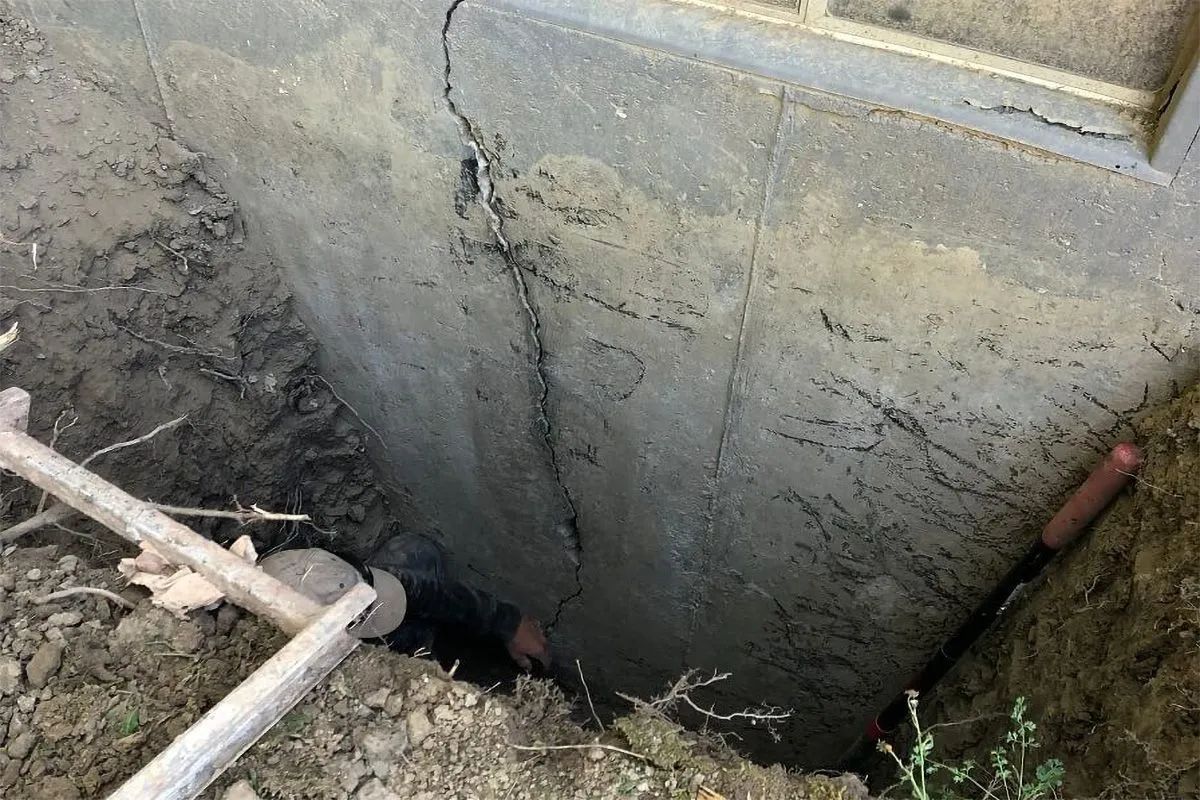
Exterior waterproofing projects are typically more extensive because they involve excavating soil around foundation walls. Once exposed, the foundation surface is cleaned thoroughly to remove dirt, debris, and deteriorated materials before repairs begin.
Foundation cracks and damaged areas are repaired first to restore structural integrity. Waterproof membranes or coatings are then applied directly to the exterior wall surface to create a moisture-resistant barrier. Drainage boards and exterior drain tile systems may also be installed to redirect groundwater away from the structure.
Proper drainage improvements are essential during exterior waterproofing. Downspouts may be extended, grading may be adjusted, and drainage channels may be added to improve water flow around the property.
For older homes with long-term water infiltration issues, exterior waterproofing often provides one of the most comprehensive forms of protection because it stops water before it reaches basement walls.
Managing Challenges During the Waterproofing Project
Unexpected Structural Discoveries
Even carefully planned waterproofing projects can uncover hidden problems once work begins. Foundation deterioration, concealed mold growth, corroded drainage pipes, and structural settlement are examples of issues that may only become visible after excavation or demolition starts.
When additional damage is discovered, waterproofing specialists typically explain the findings and recommend updated repair solutions before continuing work. Addressing these problems during the project helps prevent future complications and protects the effectiveness of the waterproofing system.
For example, a basement with recurring leaks may initially appear to need drainage improvements only. However, excavation may reveal cracked foundation blocks or severe soil pressure causing wall movement. Repairing those structural concerns becomes necessary before waterproofing installation continues.
Minimizing Disruption and Maintaining Safety
Professional waterproofing projects can temporarily disrupt daily routines, especially when heavy equipment, excavation work, or interior demolition is involved. Maintaining clear communication throughout the process helps property owners understand progress updates and scheduling adjustments.
Safety remains a major priority during basement waterproofing work. Crews follow procedures designed to protect occupants, workers, and nearby structures throughout excavation, drainage installation, and foundation repair activities.
Dust containment systems, equipment barriers, and controlled work zones help minimize indoor disruption during interior waterproofing projects. Exterior projects may involve temporary access restrictions near excavation areas until repairs are completed and soil is restored.
Although waterproofing projects may create temporary inconvenience, professional planning and organized workflows help reduce unnecessary delays while maintaining safe working conditions from start to finish.
Dependable Waterproofing Services For Safer Basement Conditions
Protecting a basement from long-term water intrusion requires more than temporary repairs or surface-level solutions. A properly planned waterproofing project addresses drainage conditions, structural concerns, moisture control, and foundation protection together to create lasting results. From the initial inspection to final cleanup, every stage of the process plays an important role in reducing moisture risks and protecting the overall condition of the property. Choosing experienced professionals helps ensure the work is completed using reliable methods designed around the property’s specific needs rather than one-size-fits-all solutions.
HRC Waterproofing Inc.
continues to provide dependable waterproofing and foundation repair services for residential and commercial properties throughout Jamaica, Queens, and surrounding New York communities. With more than 25
years of industry experience, we understand the challenges caused by basement leaks, foundation cracks, hydrostatic pressure, and long-term moisture intrusion in older and newer structures alike. Our approach focuses on detailed inspections, honest recommendations, quality workmanship, and long-term property protection. Whether addressing minor seepage concerns or completing full
basement waterproofing systems, we remain committed to helping property owners protect their foundations, improve indoor conditions, and maintain the long-term stability of their investment through trusted waterproofing solutions built around proven industry practices.