Sump Pump Running Constantly or Not at All? What's Going Wrong
Quick Answer: A sump pump that runs nonstop usually has one of four problems: a very high water table after heavy rain, a stuck float switch, a failed or missing check valve that lets water fall back into the pit, or a pump that is too weak for the volume coming in. A pump that never turns on is usually a power problem, a jammed float, or a dead motor. Both situations deserve attention the same day, because a pump that cannot keep up or cannot start leaves your cellar with no protection when the next storm arrives.
It is two in the morning and the rain has been coming down for hours. You walk past the basement door and hear it: the pump humming away, cycling on and off every few seconds, or running without a break since dinner. Or maybe it is the opposite. The sky is dark, the street is running with water, and the only sound from the cellar is silence, even though you know the pit should have been filling for hours.
Both situations make a homeowner's stomach drop, and they should. A sump pump is the last line of defense between the groundwater around your foundation and the finished space, storage, or utilities you keep below the first floor. When it misbehaves in either direction, something has changed, and the sooner you work out what, the better your odds of staying dry.
Why a Pump Runs Nonstop
Constant running is not always a failure. Sometimes it is the pump doing exactly what it was installed to do, in conditions that are simply more than the system can handle. Other times the pump is working hard for nothing. Telling the two apart is the first job.
Start with the weather. Across Queens, Brooklyn, Nassau County, and the rest of the metro area, the water table sits close to the surface in many neighborhoods, and it rises quickly after a few days of steady rain or a fast spring thaw. When the soil around your foundation is saturated, water flows toward the lowest point it can find, which is the pit. A pump that runs for hours during a nor'easter, then slows and finally shuts off once the ground drains, is responding to a real water load. That is a pump earning its keep.
A pump that runs on a dry, sunny week is a different story. Constant operation with no recent rain points to one of the following.
A Stuck Or Tangled Float Switch
The float switch triggers pump operation as water rises. If it gets stuck against the pit wall, power cord, or discharge pipe, the pump may run continuously.
A Failed Check Valve
A faulty or missing check valve allows discharged water to flow back into the pit. This causes repeated cycling as the pump moves the same water.
A Pump That Is Too Small
Changes in groundwater levels, yard grading, or added hardscape can increase inflow beyond the pump’s capacity, forcing it to run continuously.
A Clogged Or Frozen Discharge Line
Debris, silt, or ice can block the discharge pipe, restricting water flow. The pump then strains, runs longer, and may overheat.
Constant Inflow From A Plumbing Source
Leaking supply lines, failing water heaters, or washing machine drains can continuously fill the pit. If groundwater is unlikely, investigate these sources.
Tip:
Pour a bucket of water slowly into the pit on a dry day and watch the cycle. The float should lift, the pump should start, the water level should drop, and the pump should shut off cleanly. If it keeps running after the water is gone, or you see water rushing back in after it stops, you have narrowed the problem to the float or the check valve.
Why a Pump Does Not Run at All
Silence when the pit is full is more dangerous than noise, because the first sign is often water on the floor. The causes are usually simpler than people expect, which is good news, but they are also easy to miss until the pump is needed.
No Power
Sump pumps rely on electricity, and a tripped GFCI outlet, breaker, or neighborhood outage can stop operation. Check the outlet, reset button, and breaker panel.
A Jammed Float Or Switch
A float stuck in the down position or a worn switch may prevent activation. The pump never receives the signal needed to start pumping water.
A Seized Motor
Sump pumps typically last seven to ten years. Corrosion, sediment, or a burned-out motor can cause failure, while humming may indicate a jammed impeller.
An Airlock
Trapped air inside the pump housing can prevent the impeller from moving water. A missing or blocked air-relief hole may contribute to this problem.
Debris In The Pit
Gravel, silt, and sediment can accumulate inside the pit, blocking the pump intake or restricting float movement and preventing normal operation.
What You Can Safely Check Yourself
There is a short list of things a homeowner can look at without taking anything apart. Keep your hands out of the pit while the pump is plugged in, and never stand in water while checking electrical equipment.
Look at the outlet and breaker first. Then look into the pit with a flashlight. Is the float free to move, or is it pressed against the wall or tangled in the cord? Is the discharge pipe intact and aimed so that water leaves the house and does not circle back to the foundation? Does the pit hold sediment, gravel, or debris? Is there a check valve on the discharge line, and does it make a sharp clunk when the pump shuts off?
Those few observations answer most of the early questions. A tripped outlet or a tangled cord is a quick fix. A missing check valve, a worn switch, a failing motor, or a pump that simply cannot keep up with the water is a job for someone who works with these systems every day.
Warning: Never reach into a pit with the pump connected to power, and never stand in standing water to reset a breaker or handle electrical equipment. If water is already rising on the floor, stay out of the cellar and have the power shut off at the panel from a dry spot before anything else.
Why the Pump Is Only Part of the Picture
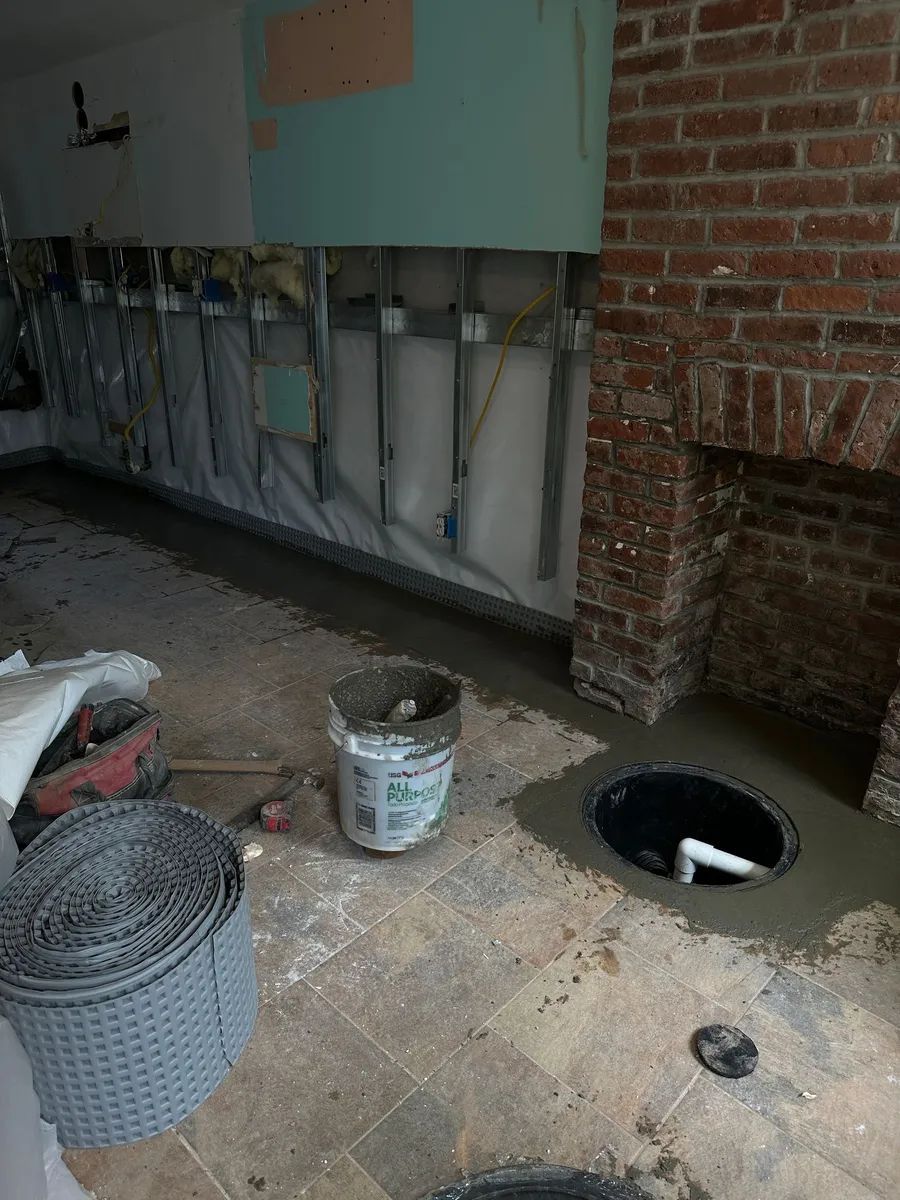
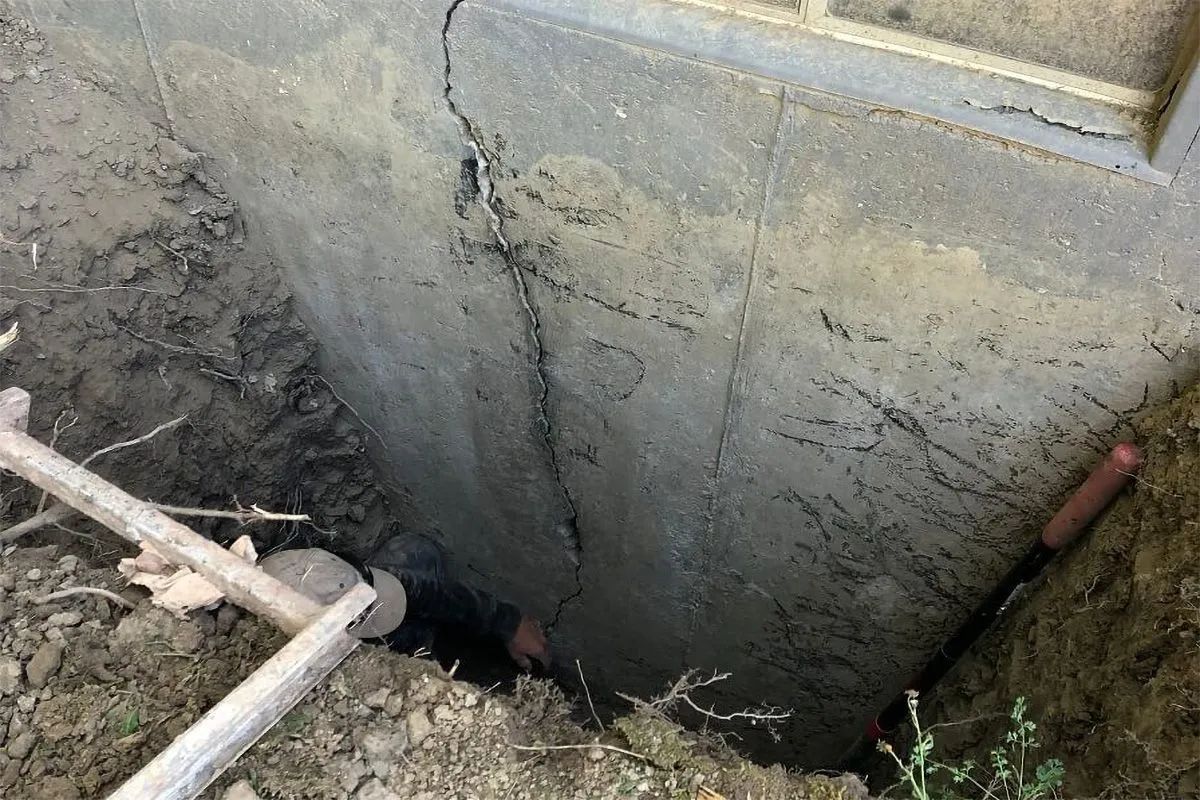
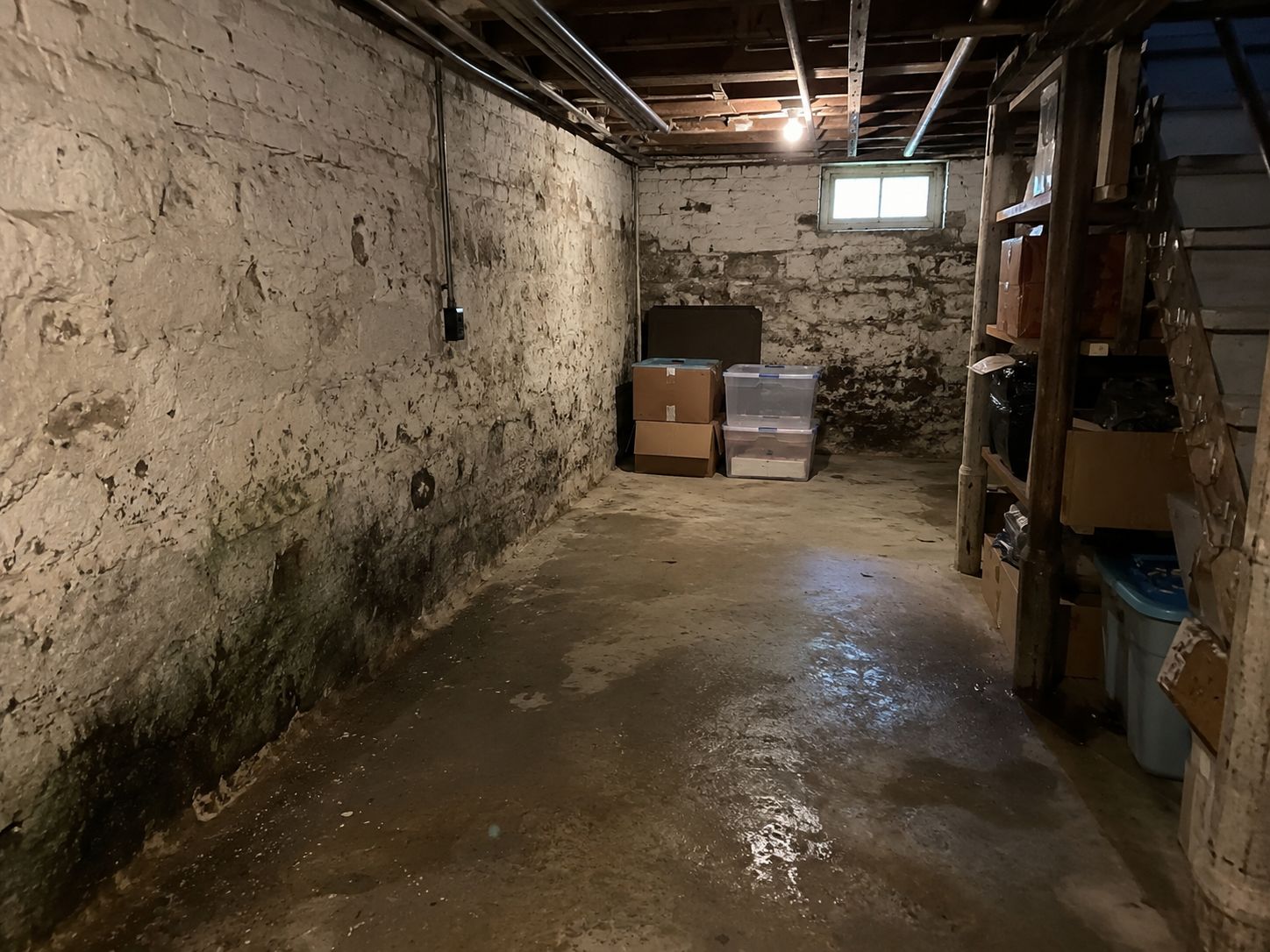
A pump that runs constantly is often telling you something about the water outside your walls, not just the equipment inside the pit. If hydrostatic pressure is building against a masonry foundation, a pump is managing the symptom, and a perimeter drain or French drain system is what moves the water toward the pit before it reaches the floor.
Older homes across the five boroughs often have a pit that was added decades after construction, tied to a drain system that has silted up or was never complete. The pump then does all the work. In those houses, cleaning and inspecting the drain lines, confirming that water reaches the pit evenly, and sizing the pump to the real inflow can bring a nonstop pump back to a normal rhythm.
Exterior conditions matter too. Gutters that dump water beside the foundation, downspouts that end too close to the wall, and a yard that slopes toward the house all push more water toward the pit than it should ever see. Directing roof runoff away from the building and correcting the grade reduces the load, and a pump that ran for days may start cycling normally again.
Backup Protection for the Storm That Takes the Power
The worst time for a pump to fail is during the storm that creates the most water. Heavy rain and high winds often come with outages, which means the pump stops exactly when groundwater is rising fastest. A battery backup pump takes over when the primary loses power or fails, and a water powered backup, which runs on municipal water pressure and needs no electricity at all, suits properties with reliable water service and frequent outages.
An alarm adds another layer. A high water alarm in the pit gives you a warning before the level reaches the floor, which can be the difference between a quick response and a flooded cellar. Pairing a primary pump with a backup and an alarm gives the system a second chance for every way it can fail.
How Often a Sump System Needs Attention
Once a year is the minimum for a system that sits idle most of the year. A yearly visit covers a pit cleaning, a check of the float and switch, a test of the check valve, a look at the discharge line, and a test run with the pit filled. Homes with heavy use, older pumps, or a history of water problems benefit from checking more often, especially before spring and before the fall storm season.
A pump that has reached the seven to ten year mark is worth evaluating even if it still runs. Replacing it on a calm day is easier than doing it in an emergency, with water coming in and a hardware store line out the door.
Frequently Asked Questions
Is it normal for a sump pump to run every few minutes?
During and just after heavy rain, yes, as groundwater moves toward the pit. Cycling on a dry week points to a failing check valve, a float issue, or water from a plumbing source.
Can a sump pump run too much and burn out?
Yes. A pump running continuously for long stretches gets hot and wears faster. Many have thermal protection that shuts the motor down to cool, which can leave the pit unprotected at a bad moment.
My pump runs but no water leaves the pit. What is wrong?
That usually means an airlock, a clogged or frozen discharge line, a failed check valve, or a jammed impeller. The motor turns, but the water is not moving, so have it checked quickly.
Why does my sump pump not turn on even though the pit is full?
The common reasons are a tripped GFCI outlet or breaker, a stuck or worn float, or a burned out motor. Check the power first. If power is fine and the float moves freely, the pump likely failed.
Do I really need a check valve?
In nearly every installation, yes. Without one, water in the discharge pipe falls back into the pit after each cycle, so the pump moves it again, shortening motor life and seeming to run without stopping.
Should I get a backup pump?
If your cellar is finished or holds anything you value, a backup is a sound idea. The storms that overload the primary pump are the same ones that cause outages, and a backup keeps pumping through both.
A Pump That Behaves Normally Lets You Sleep
A sump pump is meant to stay quiet most of the year and prove reliable on the one night it counts. When it runs without pause, never starts, or simply sounds different from the way it always has, the pit is telling you that groundwater outside is gaining ground or that the equipment is wearing out. Neither of those warnings improves by waiting for the next storm to settle the question, and both are easier to read early than late.
Treat the pump as one part of a larger water story that includes drainage, grading, and a backup for the night the power drops. HRC Waterproofing Inc.
has spent 25+ years with cellars and basements throughout Queens, NY, and that time spent on the area’s high water table is what turns a humming pit into a clear diagnosis. Watch the cycle, check the float and valve when something shifts, and keep a tested system below the first floor so the rain stays where it belongs.