The Benefits of Sump Pump Installation for New York Homes
New York homeowners face unique challenges when it comes to protecting their properties from water damage. Heavy rainfall, coastal storms, aging infrastructure, and fluctuating water tables all contribute to an increased risk of basement flooding. As residential construction evolves and more homeowners invest in finished basements, protecting these spaces has become a critical concern. Within the waterproofing and home protection industry, sump pump installation has emerged as one of the most effective solutions for managing groundwater intrusion and preventing costly damage before it occurs. This growing vulnerability highlights the importance of proactive drainage solutions that address hydrostatic pressure, outdated stormwater systems, and urban density challenges while aligning with modern building codes, insurance requirements, and long-term resilience planning for residential properties statewide across New York.
A properly installed sump pump system does more than remove excess water; it safeguards structural integrity, preserves indoor air quality, and protects long-term property value. For homes across New York, where basements are common and weather patterns are increasingly unpredictable, sump pumps provide a proactive defense rather than a reactive fix. Understanding how sump pumps work, why they are essential, and what benefits they offer allows homeowners to make informed decisions that support durability, safety, and peace of mind. This blog explores the key advantages of sump pump installation and why it remains a vital investment in modern home protection strategies. By investing in professionally designed systems, homeowners reduce emergency repair risks, improve resale appeal, comply with local standards, and create healthier living environments that support future renovations, energy efficiency goals, and consistent performance during extreme weather events year-round for families.
Understanding Sump Pump Systems and Their Purpose
What a Sump Pump Does
A sump pump is designed to collect and redirect groundwater away from a home’s foundation. Installed in a sump basin at the lowest point of a basement or crawl space, the pump activates when water levels rise, discharging excess water safely away from the structure. This process prevents water from pooling around foundation walls or seeping into interior spaces, especially during periods of prolonged rain or rapid snowmelt.
Why Basements Are Vulnerable
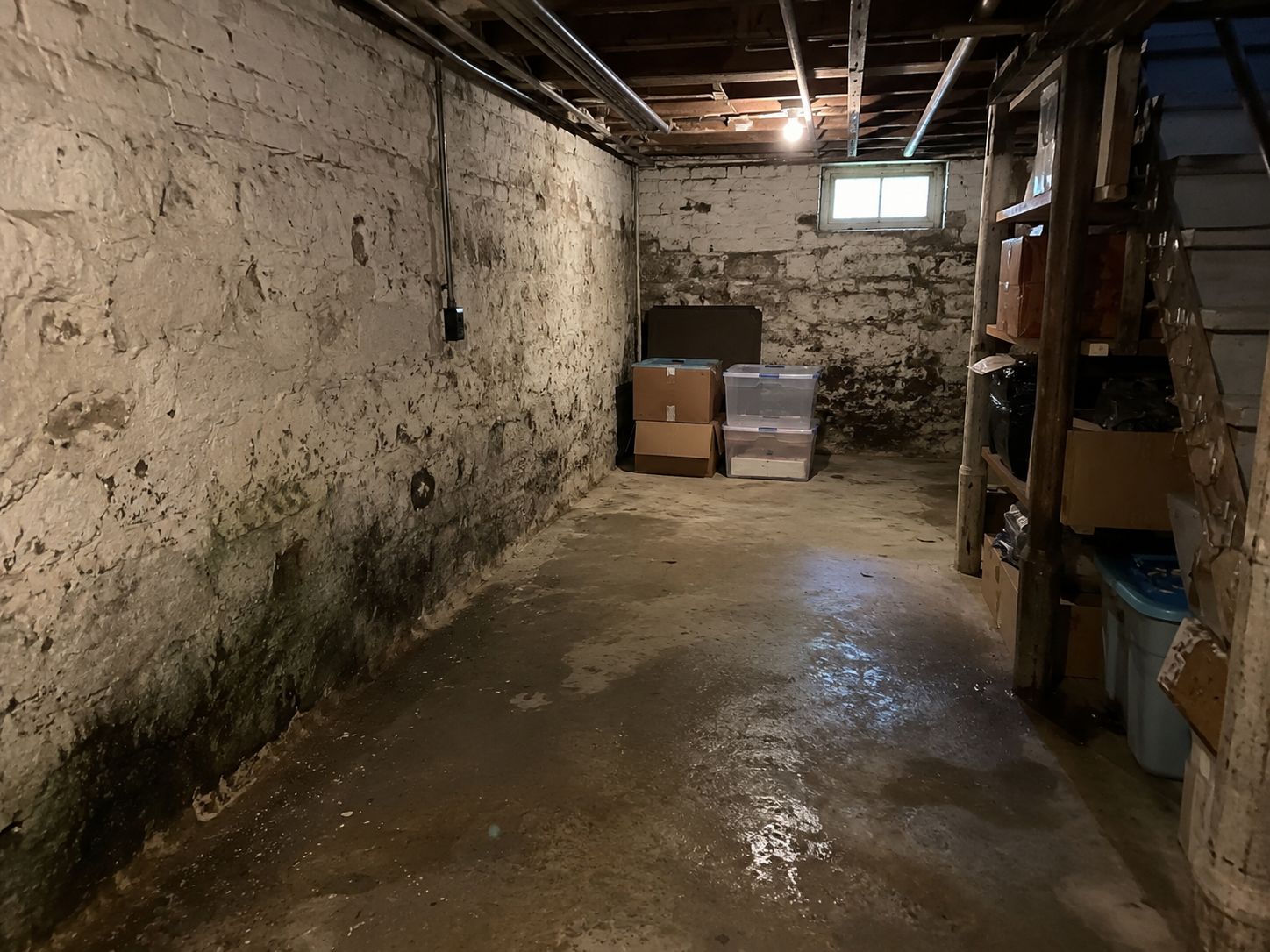
Basements sit below ground level, making them naturally susceptible to water intrusion. In New York, dense soil compositions and seasonal freeze-thaw cycles can create hydrostatic pressure that pushes water toward foundation walls. Without an effective drainage solution, even minor water buildup can result in leaks, cracks, or persistent dampness that worsens over time.
Protecting Structural Integrity and Foundation Stability
Preventing Foundation Damage
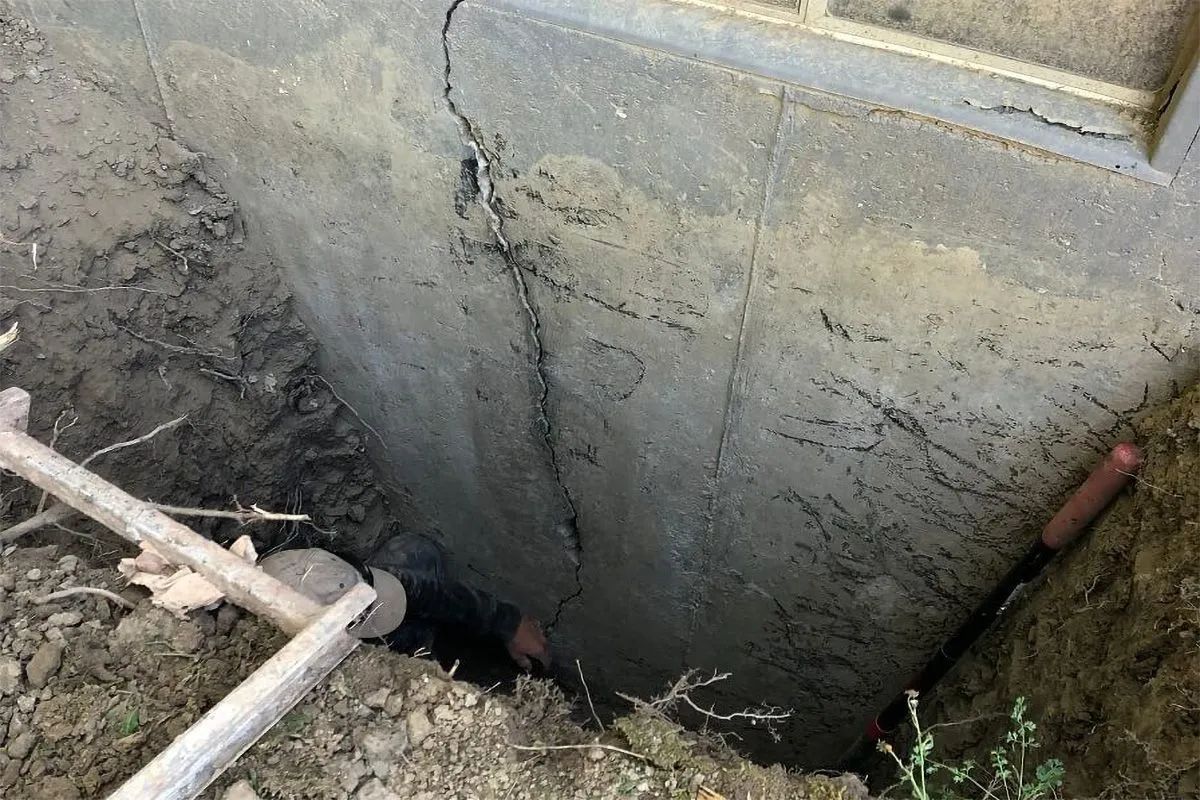
One of the most significant benefits of sump pump installation is foundation protection. When groundwater accumulates around a home, it increases pressure against foundation walls, leading to cracks, bowing, or shifting over time. By actively removing excess water, sump pumps relieve this pressure and help maintain structural stability during extreme weather conditions.
Long-Term Cost Savings
Foundation repairs are among the most expensive home improvements. A sump pump acts as preventative protection, reducing the likelihood of severe structural issues that require extensive repairs. Over time, this proactive measure can save homeowners substantial costs while extending the lifespan of the home’s foundation and related structural components.
Reducing Basement Flooding and Water Damage
Managing Heavy Rainfall and Storm Events
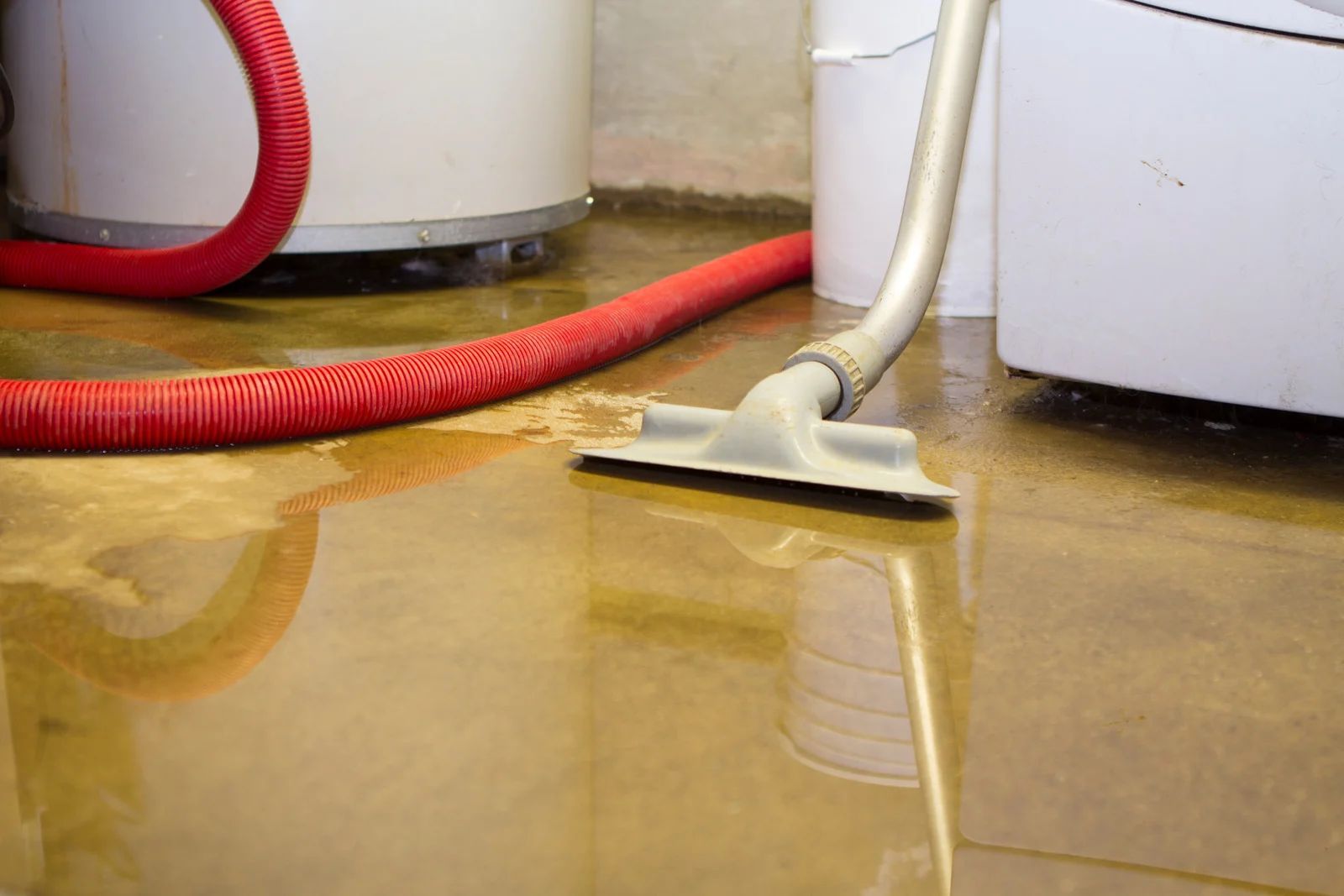
New York experiences frequent storms and heavy rainfall, particularly during spring and hurricane seasons. Sump pumps are essential during these events, efficiently managing sudden water surges that could otherwise overwhelm basement drainage systems and compromise interior spaces.
Protecting Finished Basements
Finished basements often include drywall, flooring, electrical systems, and personal belongings. Even minor flooding can cause extensive damage. A sump pump reduces the risk of water reaching these vulnerable areas, protecting investments in renovations and maintaining the usability of basement spaces year-round.
Improving Indoor Air Quality and Health Conditions
Controlling Moisture and Humidity
Excess moisture in basements contributes to high humidity levels throughout the home. Sump pumps help regulate moisture by preventing standing water, creating a drier environment that supports better indoor air quality and overall household comfort.
Preventing Mold and Mildew Growth
Mold thrives in damp, dark environments. By reducing water intrusion and moisture buildup, sump pump systems help limit conditions that allow mold and mildew to grow. This is particularly important for families with allergies, asthma, or respiratory sensitivities living in enclosed spaces.
Increasing Property Value and Market Appeal
Enhancing Buyer Confidence
Homebuyers in New York are increasingly aware of flooding risks. A professionally installed sump pump system signals that a property has been protected against water damage. This reassurance can influence purchasing decisions and reduce concerns during inspections and final negotiations.
Supporting Long-Term Property Value
Water damage can significantly reduce property value. Sump pumps help preserve structural integrity and interior conditions, supporting consistent property valuation over time. Homes with reliable waterproofing systems are often more competitive in the real estate market and sell faster.
Best Practices for Effective Sump Pump Installation
Choosing the Right System
Not all sump pumps are the same. Factors such as basement size, water table level, and drainage requirements determine whether a submersible or pedestal pump is more suitable. Battery backups and dual-pump systems provide additional security during power outages, which often accompany severe storms.
Professional Installation and Maintenance
Proper installation is critical for performance. A correctly sized basin, secure discharge line placement, and reliable electrical connections ensure the system functions efficiently. Routine maintenance, including testing the pump and clearing debris, further extends system lifespan and reliability over years of use.
Addressing Power Outages and Emergency Preparedness
Importance of Backup Sump Pump Systems
Power outages frequently accompany severe storms in New York, precisely when sump pumps are needed most. Battery-powered and water-powered backup systems ensure continuous operation during electrical failures, preventing sudden basement flooding when primary pumps are inactive and safeguarding homes during prolonged outage conditions.
Reducing Risk During Extreme Weather Events
Backup sump pump solutions provide critical protection during hurricanes, nor’easters, and flash floods. These systems offer homeowners peace of mind by maintaining water control even under unpredictable emergency conditions that threaten property safety and interior living spaces.
Preventing Soil Erosion and Exterior Water Issues
Managing Water Discharge Away from the Foundation
Proper sump pump discharge routing directs water safely away from the home, preventing soil erosion near foundation walls. Controlled water release reduces the risk of weakened soil that can compromise structural stability over time and lead to costly exterior repairs.
Supporting Effective Exterior Drainage Systems
Sump pumps work best when paired with well-designed exterior drainage. Together, these systems help maintain balanced soil moisture levels, protecting landscaping and minimizing long-term foundation stress while improving overall property drainage efficiency.
Adapting to New York’s Climate and Building Conditions
Responding to Seasonal Weather Variations
New York’s climate includes heavy rainfall, snow accumulation, and rapid thaw cycles. Sump pump systems are designed to adapt to these seasonal shifts, ensuring reliable water management throughout the year despite changing ground and moisture conditions.
Compatibility with Older and Newer Homes
Many New York homes feature aging foundations and outdated drainage systems. Modern sump pump installations can be customized to work effectively with both historic properties and newer construction designs without compromising structural integrity or performance.
Extending the Lifespan of Waterproofing Systems
Supporting Drain Tile and Waterproofing Performance
Sump pumps play a key role in supporting interior drain tile systems and foundation waterproofing measures. By efficiently removing collected water, they prevent system overload and ensure consistent long-term performance during periods of heavy groundwater intrusion.
Reducing Wear on Structural and Drainage Components
Consistent water removal reduces stress on foundation walls, drain pipes, and seals. This proactive approach minimizes deterioration, extending the effectiveness of overall waterproofing investments and lowering future maintenance and repair costs.
Creating Safer Basements in Challenging Weather Conditions
Sump pump installation plays a critical role in protecting New York homes from water damage, structural deterioration, and indoor air quality issues. By actively managing groundwater, these systems reduce the risk of basement flooding, safeguard foundations, and preserve finished living spaces. Beyond immediate protection, sump pumps contribute to long-term property value and homeowner confidence, particularly in regions prone to heavy rainfall and fluctuating water tables. Investing in a reliable sump pump system is not merely a preventative measure; it is a strategic decision that supports durability, comfort, and financial stability. When installed and maintained correctly, sump pumps provide peace of mind and consistent protection against the unpredictable challenges of water intrusion.
For homeowners seeking dependable waterproofing solutions, HRC Waterproofing Inc.
stands out as a trusted industry leader. Based in Jamaica, Queens, New York, the company brings 25
years of hands-on experience in protecting residential properties from water-related damage. Their expertise in sump pump installation reflects a deep understanding of local soil conditions, weather patterns, and building structures common throughout New York. With a strong commitment to quality workmanship and long-term solutions, HRC Waterproofing Inc.
approaches every project with precision and professionalism. Homeowners benefit from proven methods, advanced equipment, and a customer-focused approach that prioritizes safety and durability. By choosing an experienced provider with a long-standing reputation, property owners gain not only effective waterproofing systems but also confidence that their homes are protected by knowledgeable specialists dedicated to lasting results.