Commercial Waterproofing Solutions That Safeguard New York Properties
Water damage is one of the most insidious threats to commercial properties, quietly undermining structural integrity, compromising safety, and driving up long-term maintenance costs. In densely built urban environments like New York City, where properties are exposed to heavy rainfall, snow, and fluctuating humidity, effective waterproofing is not merely an optional enhancement—it is a critical investment. Commercial property owners, building managers, and construction professionals must understand the comprehensive approaches available to safeguard assets and ensure operational continuity.
As the commercial real estate market in New York continues to grow, with high-rise office complexes, retail centers, and mixed-use developments becoming increasingly prevalent, the demand for advanced waterproofing solutions has never been greater. Properly executed waterproofing systems protect concrete, steel, and masonry structures from moisture infiltration, prevent mold growth, and enhance the lifespan of roofing, basements, and foundational elements. This blog explores the latest commercial waterproofing strategies, highlighting their practical benefits, implementation challenges, and real-world applications. By understanding these solutions, stakeholders can make informed decisions that preserve the value, safety, and functionality of their properties, ensuring resilience against New York’s unpredictable weather conditions and aging infrastructure.
1. Understanding the Commercial Waterproofing Landscape
The Importance of Waterproofing in Commercial Properties
Waterproofing in commercial properties extends far beyond surface-level protection. Moisture intrusion can weaken structural components, corrode metal reinforcements, and compromise fireproofing materials, leading to costly repairs and potential safety hazards. In urban centers like New York, where space constraints often mean taller, more complex buildings, the consequences of water damage are magnified. Commercial waterproofing ensures that water does not penetrate walls, foundations, or roofs, providing a critical barrier against both visible and hidden damage.
Common Areas of Vulnerability
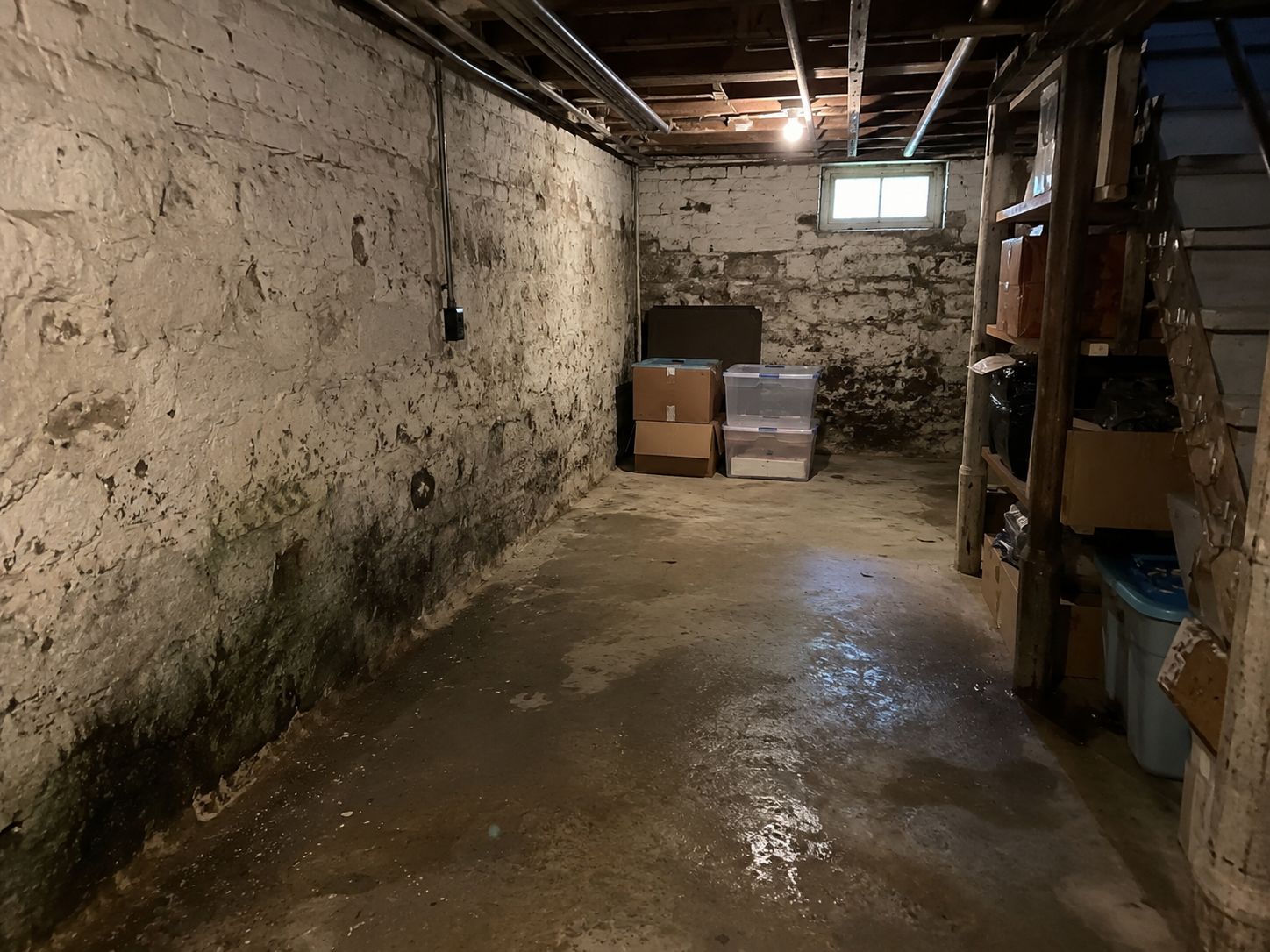
Commercial buildings face multiple points of water ingress. These include flat roofs, basements, expansion joints, balconies, terraces, and exterior walls. For example, basements often act as water collection zones, particularly in areas with high water tables or inadequate drainage. Roofs, especially those with low slopes or poorly maintained drainage systems, are prone to pooling water, which accelerates material degradation. Understanding these vulnerabilities allows property managers to implement targeted waterproofing solutions that address the most critical areas first, optimizing both safety and investment efficiency.
2. Key Commercial Waterproofing Solutions
Liquid Applied Membranes
Liquid applied membranes are a versatile solution for commercial waterproofing. These products are applied as a liquid coating that cures to form a seamless, durable barrier against water. Unlike sheet membranes, liquid systems adapt to irregular surfaces, corners, and penetrations without creating weak points. This adaptability is particularly valuable for commercial rooftops, terraces, and complex foundation geometries.
Benefits:
- Seamless coverage reduces leak risk.
- Easy application on irregular surfaces.
- Long-term elasticity accommodates building movement.
Challenges:
- Requires professional application to ensure uniform thickness.
- Surface preparation is critical to prevent adhesion failures.
Real-World Scenario: A midtown Manhattan office complex installed a liquid applied membrane across its rooftop and balconies. Post-installation, the building reported no water intrusion during consecutive heavy rainfall events, avoiding what previously required costly roof repairs annually.
Sheet Membranes
Sheet membranes are pre-formed waterproofing layers, often made from bituminous materials or reinforced polymers. These membranes are laid across surfaces like roofs or foundation walls, providing a durable and predictable barrier. In commercial applications, they are commonly used in podium decks, parking garages, and large flat roofs.
Benefits:
- Consistent material properties ensure reliable performance.
- Suitable for high-traffic areas when protected with ballast or paving.
- Resistant to UV exposure and chemical contamination.
Challenges:
- Requires precise installation to seal seams effectively.
- Adaptation to complex geometries can be labor-intensive.
Example: A Brooklyn retail center utilized a reinforced sheet membrane for its parking garage deck. The system prevented water seepage into lower levels, reducing maintenance costs and extending structural longevity.
Injection Systems for Concrete Structures
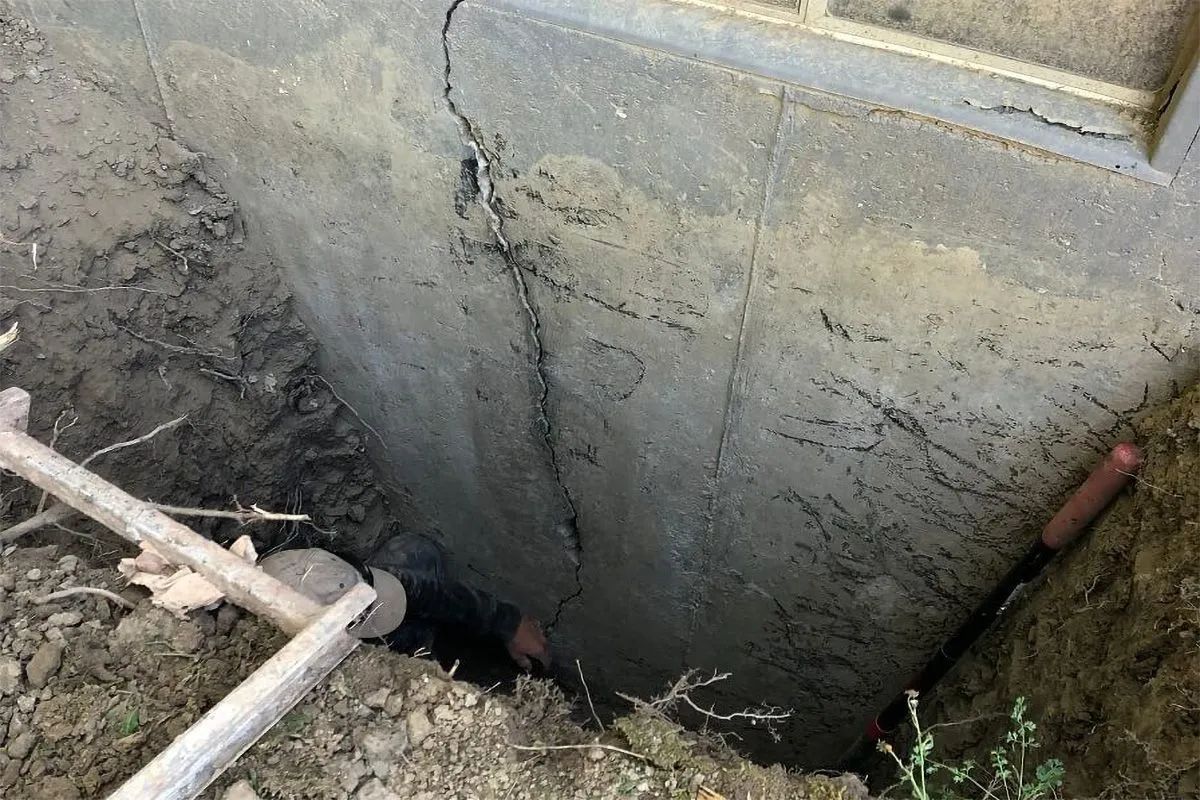
Concrete cracks are inevitable in commercial buildings due to settlement, thermal expansion, and structural loading. Injection systems use polyurethane or epoxy resins to seal cracks and restore watertight integrity. These systems are particularly effective for foundation walls, tunnels, and underground structures where conventional surface waterproofing is insufficient.
Benefits:
- Seals active and dormant cracks.
- Strengthens structural elements.
- Minimizes downtime since injections can be performed locally.
Challenges:
- Requires accurate crack mapping and assessment.
- Not a standalone solution for widespread water pressure; often paired with other systems.
Real-World Insight: A New York City hospital faced water infiltration through basement wall cracks. By employing polyurethane injections, the facility prevented mold formation and potential disruption to critical services, highlighting the importance of proactive crack management.
3. Advanced Waterproofing for Roofs and Terraces
Green Roof Waterproofing
Green roofs, increasingly popular in commercial construction for energy efficiency and urban sustainability, require specialized waterproofing layers. These systems must resist root penetration, maintain flexibility under temperature variations, and manage water drainage effectively. Root barriers and high-performance membranes are essential to prevent leaks that could compromise both building integrity and plant growth.
Benefits:
- Reduces heat gain and energy costs.
- Mitigates stormwater runoff.
- Enhances building aesthetics and environmental footprint.
Challenges:
- Requires careful coordination with landscaping elements.
- Maintenance of drainage systems is critical to avoid ponding water.
Example: A Queens office building installed a green roof with a high-density membrane and root barrier. Over several years, the system maintained watertight integrity while contributing to LEED certification goals.
Trafficable Roof Systems
Commercial buildings with rooftop terraces or pedestrian-access areas need trafficable waterproofing systems. These solutions combine durability with slip resistance, accommodating heavy foot traffic without compromising water protection. Materials often include reinforced membranes, protective screeds, and paver systems.
Benefits:
- Supports human activity and mechanical equipment.
- Prevents ponding water and structural damage.
- Enhances safety through non-slip finishes.
Challenges:
- Installation costs are higher due to layering and reinforcement requirements.
- Routine inspections are necessary to maintain surface integrity.
Scenario: A Manhattan luxury hotel employed a trafficable roof system for its rooftop lounge. This system allowed safe public access while eliminating water leakage issues that previously plagued the space during storms.
4. Basement and Foundation Waterproofing
External Foundation Waterproofing
External waterproofing involves applying protective membranes or coatings to the outer surfaces of foundations. This approach is highly effective in preventing hydrostatic pressure from forcing water through concrete walls, particularly in high water table areas. Drainage boards and perimeter drains complement membranes by directing water away from the structure.
Benefits:
- Shields foundations from continuous moisture exposure.
- Reduces hydrostatic pressure on walls.
- Prevents mold growth and structural deterioration.
Challenges:
- Excavation may be required, increasing costs for existing buildings.
- Professional installation is necessary to ensure continuous coverage.
Example: A Long Island commercial warehouse experienced water seepage due to seasonal groundwater rise. External membrane application and perimeter drainage installation successfully prevented further damage and allowed uninterrupted operations.
Internal Basement Waterproofing
Internal solutions, such as drainage channels, sump pumps, and sealants, provide a practical option for properties where external access is limited. While these systems do not prevent water from reaching the foundation exterior, they manage infiltration effectively, keeping interiors dry and operational.
Benefits:
- Minimizes disruption to existing landscaping and exterior finishes.
- Can be installed quickly in occupied buildings.
- Provides immediate mitigation of water intrusion risks.
Challenges:
- Requires regular maintenance to prevent pump failure.
- May not address structural cracks without complementary injection treatments.
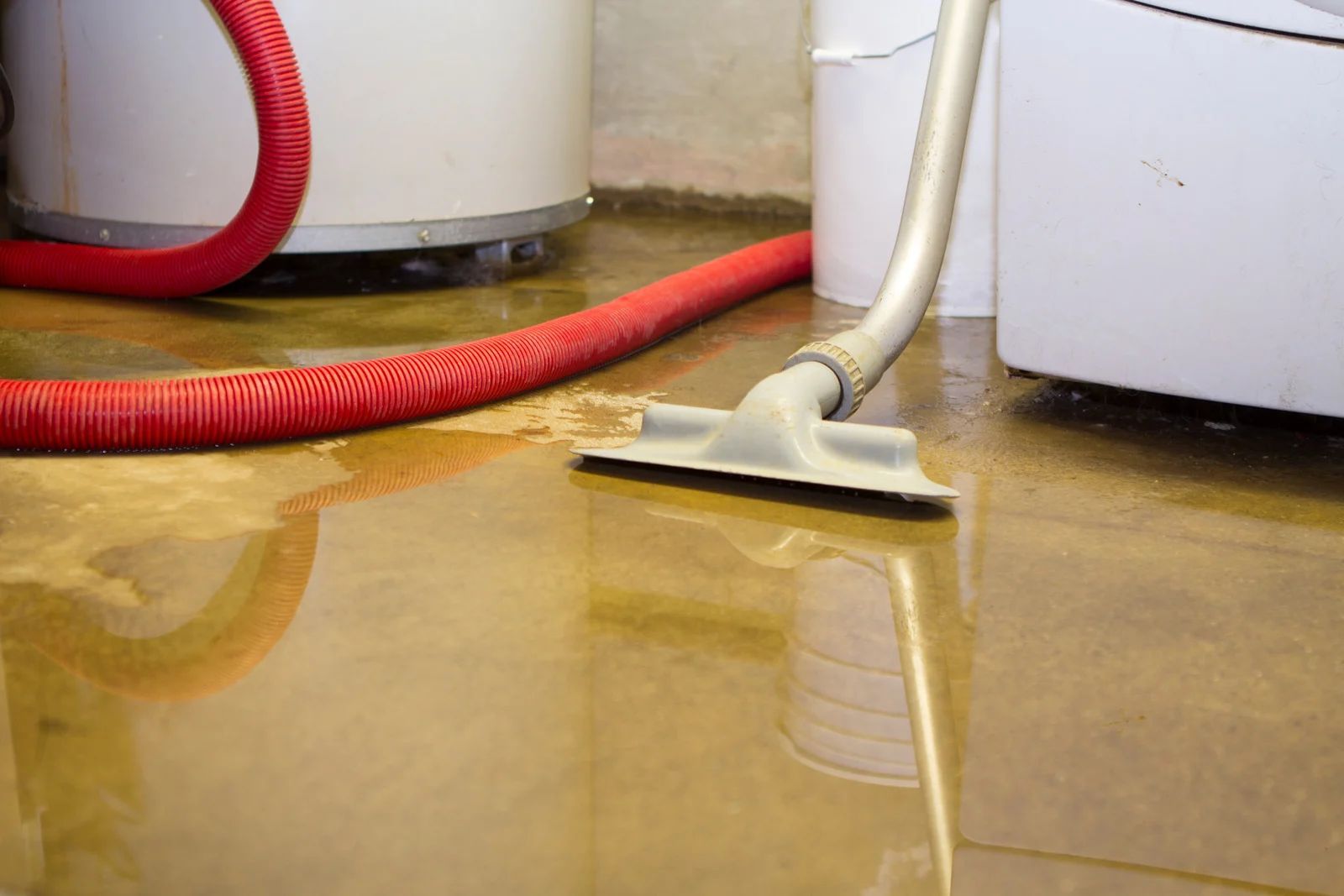
Scenario: A Lower Manhattan financial office, constrained by surrounding infrastructure, used an internal drainage and sump system to handle seasonal basement flooding. This proactive measure maintained business continuity during heavy rain periods.
5. Best Practices for Effective Commercial Waterproofing
Comprehensive Site Assessment
Effective waterproofing begins with a thorough assessment of the property. This includes soil testing, structural analysis, and inspection of existing water management systems. Understanding the building’s unique vulnerabilities allows the design of tailored solutions that maximize protection.
Integrated Waterproofing Strategy
Relying on a single method is often insufficient. A combination of membranes, injections, drainage solutions, and protective coatings provides multi-layered defense against moisture. For example, a high-rise in Brooklyn might combine rooftop membranes, balcony sealants, and foundation injections for comprehensive coverage.
Regular Maintenance and Inspection
Even the best waterproofing systems degrade over time. Scheduled inspections and maintenance—such as clearing drains, repairing minor cracks, and reapplying coatings—extend the lifespan of systems and prevent costly repairs.
Staying Compliant with Regulations
New York City’s building codes impose strict waterproofing and drainage requirements for commercial structures. Compliance ensures not only legal safety but also reduces insurance liability and enhances property value. Certified contractors familiar with local codes provide essential guidance for adherence.
Dependable Waterproofing Services Ensuring Long-Term Building Safety
Commercial waterproofing is an indispensable aspect of property management in New York, protecting assets against structural damage, mold, and operational disruptions. By understanding vulnerabilities, employing advanced membrane systems, injection technologies, and integrated drainage strategies, property managers and building owners can safeguard their investments against both immediate and long-term water damage risks. Regular maintenance, strategic planning, and adherence to local building codes further enhance system effectiveness, ensuring that commercial properties remain safe, functional, and valuable.
HRC Waterproofing Inc., based in Jamaica, Queens, New York, brings over 25
years of experience in providing expert waterproofing and foundation repair services. Our team specializes in delivering tailored solutions for commercial buildings of all sizes, from high-rise offices to retail centers and industrial warehouses. With a focus on quality, durability, and compliance, HRC Waterproofing Inc.
ensures that every project is executed to the highest standards. Property owners can trust our proven expertise to protect their investments, minimize maintenance costs, and maintain the structural integrity of their buildings for decades to come.