Foundation Crack Repair: Protecting Homes Across Queens a nd NYC
Foundation crack repair has become a critical concern for homeowners across Queens and New York City as aging structures, dense urban development, and shifting soil conditions place constant pressure on residential foundations. Even small cracks can signal deeper structural issues that compromise safety, property value, and long-term stability. In a city where many homes were built decades ago, foundation deterioration is not an isolated problem but an industry-wide challenge that demands informed, proactive solutions. Understanding how and why foundation cracks develop is the first step toward protecting one of the most valuable investments a homeowner will ever make.
As urban environments continue to evolve, foundation repair has moved beyond simple patchwork into a specialized field requiring technical expertise, advanced materials, and compliance with strict building standards. Homeowners today must navigate a range of repair options while balancing cost, durability, and long-term performance. This blog explores the causes, risks, and solutions related to foundation crack repair in Queens and NYC, providing practical insights that empower property owners to make informed decisions and safeguard their homes against escalating structural damage.
Understanding Foundation Cracks in Urban Homes
Common Types of Foundation Cracks
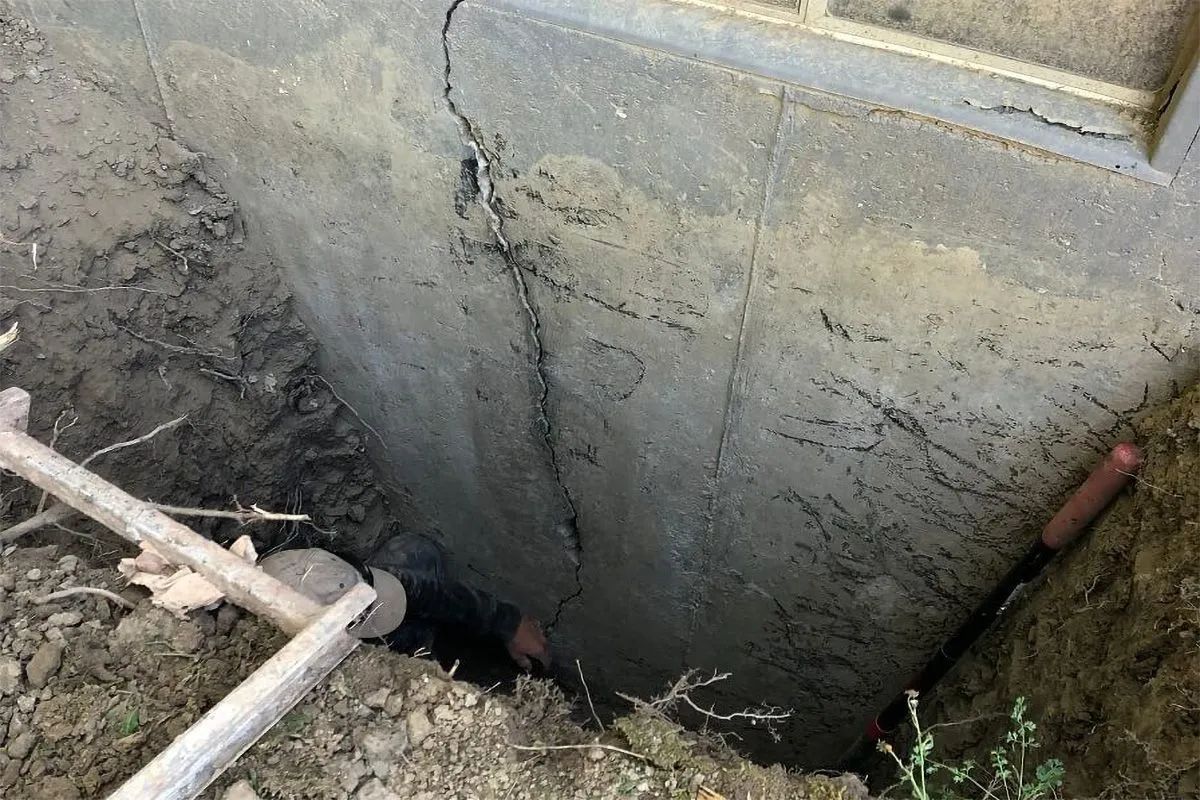
Foundation cracks vary in appearance and severity, and recognizing their differences is essential for effective repair. Hairline cracks often result from concrete curing and minor settlement. Vertical cracks may indicate differential settlement, while diagonal cracks can suggest uneven soil pressure beneath the foundation.
Horizontal cracks are among the most serious, frequently caused by hydrostatic pressure or lateral soil movement. These cracks often signal compromised structural integrity and require immediate professional evaluation to prevent wall bowing or collapse.
Why NYC Foundations Are Vulnerable
Queens and NYC homes face unique environmental and structural stressors. Expansive clay soils, fluctuating groundwater levels, and seasonal freeze-thaw cycles contribute to foundation movement. These conditions place ongoing pressure on foundation walls and slabs.
Additionally, heavy traffic, nearby construction, and dense urban infrastructure generate vibrations that can accelerate cracking. Many older homes were built using materials and methods that no longer meet modern standards, increasing vulnerability over time.
Causes Behind Foundation Cracks
Soil Movement and Water Pressure
Soil expansion and contraction is one of the leading causes of foundation cracks. When soil absorbs excess moisture, it expands and pushes against foundation walls. During dry periods, soil contracts, creating voids that reduce structural support.
This repeated cycle weakens foundations and increases the likelihood of cracking. Over time, the pressure imbalance leads to widening cracks and shifting walls that threaten the overall stability of the structure.
Poor Drainage and Plumbing Leaks
Inadequate drainage systems allow water to collect around the foundation perimeter. This buildup increases hydrostatic pressure, forcing moisture through existing cracks and porous concrete. Persistent water exposure accelerates material degradation.
Undetected plumbing leaks compound the problem by continuously saturating surrounding soil. Even small leaks can lead to significant foundation stress when left unresolved, making early detection and repair essential.
Risks of Ignoring Foundation Cracks
Structural and Safety Concerns
Ignoring foundation cracks can result in serious structural consequences. As cracks widen, they weaken load-bearing components, leading to uneven floors, wall separation, and misaligned doors and windows.
In advanced cases, foundation instability can compromise the safety of occupants. Structural failures not only require extensive repairs but also pose potential risks to the entire building envelope.
Financial and Property Value Impact
Unrepaired foundation damage significantly reduces property value. During real estate transactions, foundation issues are often flagged by inspectors, leading to reduced offers, delayed sales, or buyer withdrawal.
Addressing cracks early helps control repair costs and preserves long-term equity. Preventative repairs are consistently more affordable than large-scale structural rehabilitation or emergency stabilization.
Foundation Crack Repair Methods and Solutions
Epoxy and Polyurethane Injection
Epoxy and polyurethane injections are commonly used for sealing non-structural cracks. Epoxy restores structural strength by bonding separated concrete surfaces, making it ideal for cracks requiring reinforcement.
Polyurethane injection expands upon application, effectively sealing cracks and preventing water intrusion. This flexible solution accommodates minor movement, making it well-suited for moisture control in basements and crawl spaces.
Structural Reinforcement Techniques
Severe foundation damage often requires structural reinforcement. Carbon fiber straps, steel braces, and wall anchors stabilize foundation walls and prevent further movement caused by soil pressure.
These engineered systems are designed to meet building codes and provide long-term performance. When properly installed, reinforcement techniques significantly extend the life of aging foundations.
Best Practices for Foundation Crack Repair in Queens and NYC
Professional Assessment and Diagnosis
Accurate diagnosis is essential before selecting a repair strategy. Experienced professionals analyze crack patterns, soil conditions, moisture sources, and structural loads to identify underlying causes.
This comprehensive evaluation ensures repairs address root issues rather than surface symptoms. Proper diagnosis leads to targeted solutions that prevent recurring damage and unnecessary expenses.
Preventative Maintenance and Monitoring
Preventative maintenance plays a critical role in foundation longevity. Proper grading, functional gutters, and waterproofing systems reduce moisture exposure around foundations.
Routine inspections allow homeowners to identify early warning signs and take corrective action. Ongoing monitoring helps prevent small cracks from developing into major structural problems.
How Climate Patterns Affect Urban Foundations
Increased Rainfall and Soil Saturation
Heavier and more frequent rainfall in NYC has increased soil saturation around residential foundations. Excess moisture elevates hydrostatic pressure, forcing water against foundation walls and accelerating crack formation.
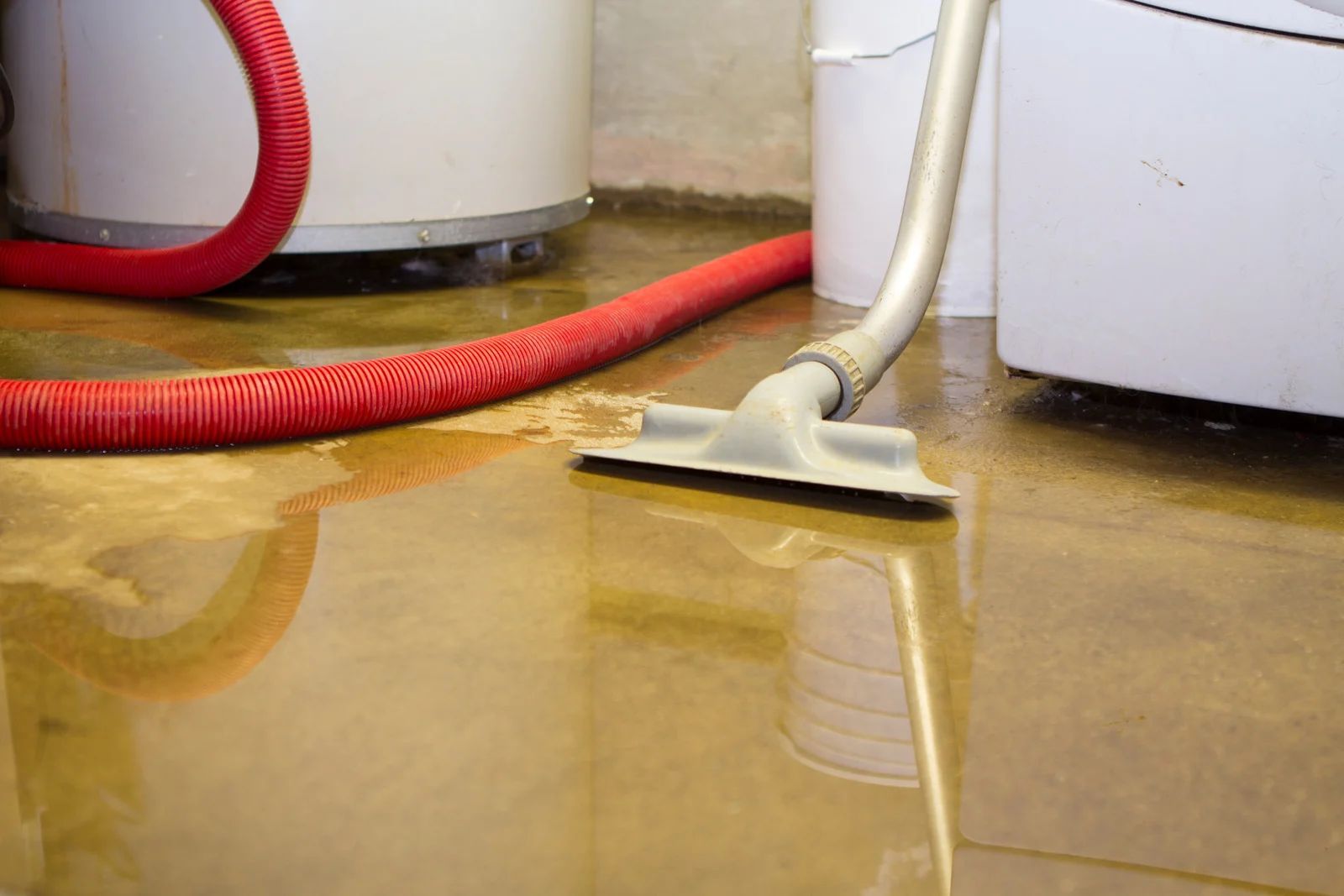
Without adequate drainage and waterproofing, prolonged exposure to saturated soil significantly increases the risk of structural deterioration and basement water intrusion.
Temperature Fluctuations and Freeze-Thaw Stress
Seasonal freeze-thaw cycles cause soil and concrete to repeatedly expand and contract. This movement places stress on foundation materials, leading to cracking and surface deterioration.
Over time, freeze-thaw stress weakens concrete and masonry, making foundations more susceptible to water penetration and long-term damage.
The Role of Building Codes in Repair
Compliance with NYC Structural Standards
Foundation crack repair in Queens and NYC must comply with strict municipal building codes. These standards regulate approved materials, repair techniques, and structural reinforcement requirements.
Compliance ensures repairs meet safety and durability benchmarks, protecting homeowners and maintaining structural integrity over the long term.
Permits and Professional Accountability
Certain foundation repairs require permits and certified professionals. Working with licensed contractors ensures repairs are properly documented and inspected by local authorities.
This accountability protects homeowners from liability issues and confirms that repairs meet regulatory and engineering standards.
Warning Signs Homeowners Should Never Ignore
Interior Indicators of Foundation Stress
Cracked drywall, uneven flooring, and doors or windows that stick often signal foundation movement. These interior symptoms typically appear before more severe exterior damage becomes visible.
Ignoring these indicators allows foundation issues to progress, increasing repair complexity and cost. Early response is essential for minimizing damage.
Moisture Intrusion and Persistent Dampness
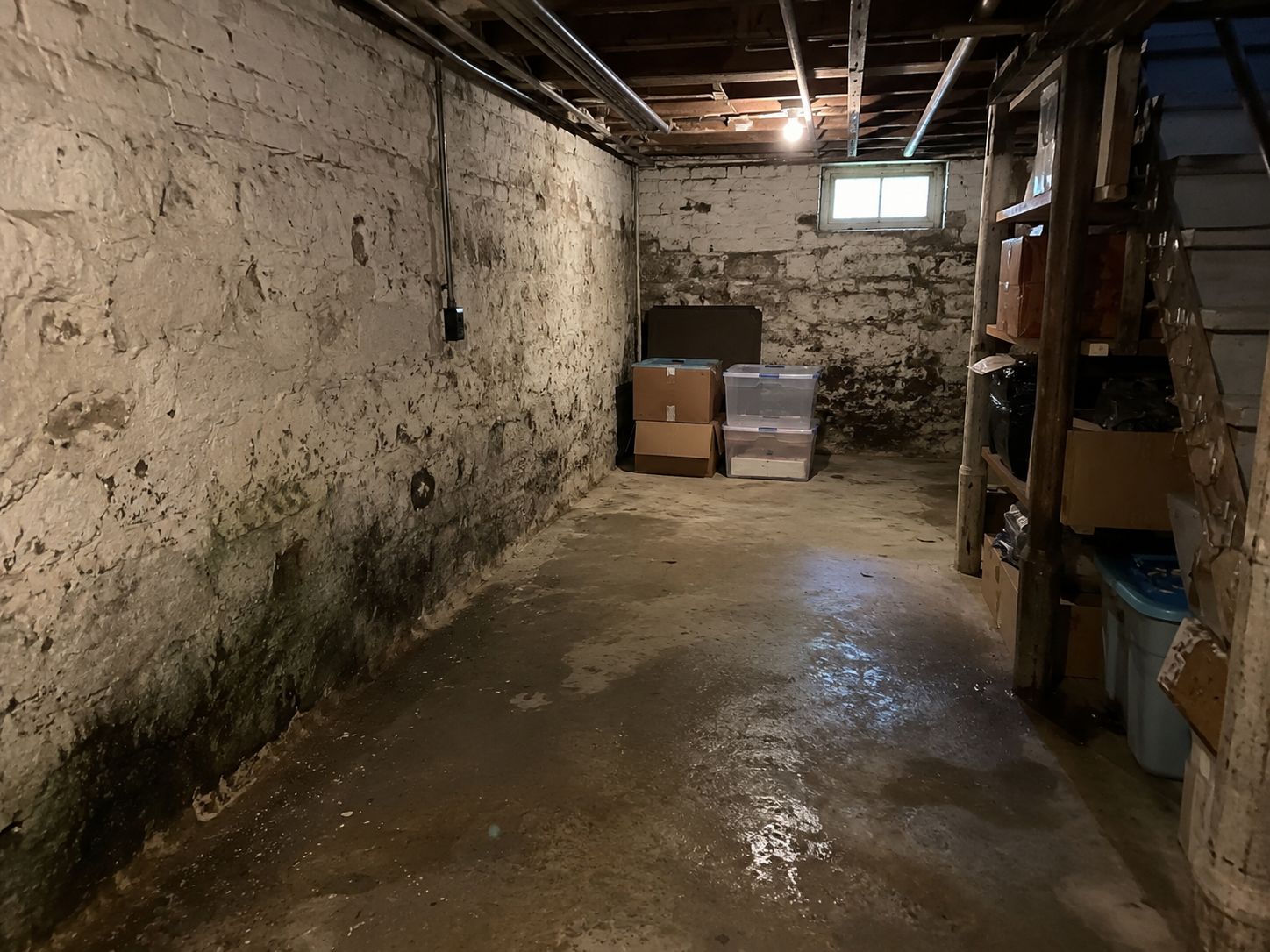
Persistent basement moisture, water stains, or musty odors often indicate foundation cracks allowing water intrusion. These conditions create environments conducive to mold growth and material decay.
Addressing moisture issues early protects indoor air quality and prevents further structural deterioration.
Choosing the Right Foundation Repair Partner
Experience with Urban Construction Challenges
Contractors experienced with Queens and NYC properties understand the challenges posed by dense development, aging infrastructure, and local soil conditions. This expertise allows for accurate diagnosis and tailored repair strategies.
Local knowledge ensures repairs are designed to withstand urban environmental stressors and comply with regional building requirements.
Transparent Evaluations and Long-Term Solutions
A reputable foundation repair partner provides clear assessments, detailed repair plans, and realistic expectations. Transparency builds trust and ensures homeowners understand the scope and purpose of recommended solutions.
Long-term solutions focus on durability and prevention, protecting homes from recurring foundation issues.
Long-Term Benefits of Timely Foundation Repair
Enhanced Structural Stability
Timely foundation crack repair restores structural integrity and prevents progressive damage. Reinforced foundations are better equipped to withstand environmental stressors and soil movement.
This stability ensures the home remains safe, functional, and resilient for decades to come.
Peace of Mind and Compliance
Professional repairs provide peace of mind by meeting local safety regulations and building standards. Homeowners gain confidence knowing their property is protected against future foundation issues.
Compliance-driven repairs reduce the risk of costly emergency interventions and legal complications.
Preserving Property Value Through Strategic Foundation Solutions
HRC Waterproofing Inc. stands as a trusted authority in foundation crack repair and structural protection for homeowners seeking reliable, long-term solutions. Based in Jamaica, Queens, New York, the company brings 25 years of hands-on experience addressing the complex foundation challenges unique to urban environments. This extensive background allows the team to accurately diagnose foundation issues, recommend appropriate repair methods, and execute solutions that align with local building standards and environmental conditions.
With a strong commitment to craftsmanship, safety, and transparency, we approach every project with a focus on durability and client confidence. Their experience across a wide range of residential properties has built a reputation for precision, professionalism, and consistent results. Homeowners benefit from proven repair strategies designed to prevent recurring issues while enhancing structural resilience. By combining industry knowledge with practical expertise, HRC Waterproofing Inc.
continues to serve as a dependable partner for foundation crack repair, helping protect homes, investments, and peace of mind throughout Queens and the greater New York City area.