Exterior vs. Interior Waterproofing: Which Option Fits Your Needs?
Water intrusion is one of the most persistent challenges that property owners face, and it can lead to a cascade of structural and aesthetic problems if not addressed properly. From basement flooding and mold growth to compromised foundations, the risks of inadequate waterproofing extend far beyond minor inconveniences. As such, selecting the right waterproofing strategy is a critical decision that impacts the long-term safety, functionality, and value of any building. Homeowners, contractors, and property managers alike must navigate an array of options to protect their investments effectively.
When it comes to protecting a structure from water damage, two primary approaches dominate the conversation: exterior waterproofing and interior waterproofing. Each method offers distinct advantages, potential drawbacks, and situational suitability. Exterior waterproofing generally involves sealing and protecting the building envelope from outside moisture, while interior waterproofing focuses on managing water that has already breached the outer structure. Understanding the nuances of both approaches—including installation processes, cost considerations, maintenance requirements, and long-term effectiveness—is essential for making an informed choice. This guide explores the critical differences between exterior and interior waterproofing, helping you determine which solution best aligns with your property’s needs and environmental conditions.
Understanding Exterior Waterproofing
What Is Exterior Waterproofing?
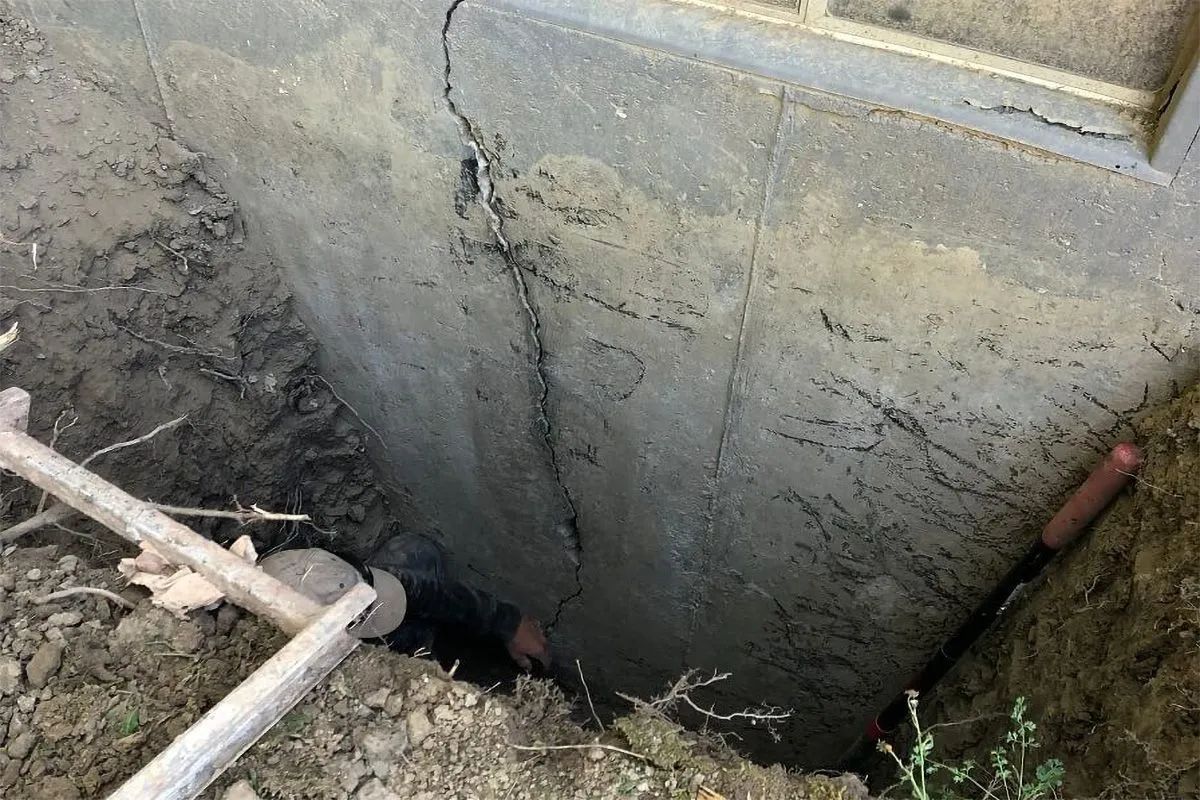
Exterior waterproofing is a method designed to prevent water from entering a structure at its source. Typically, this process involves excavating around the foundation to access the walls, applying waterproof membranes or coatings, and installing drainage systems to redirect water away from the building. Materials commonly used include liquid-applied membranes, sheet membranes, asphalt-based coatings, and rigid foam boards. By creating a continuous barrier, exterior waterproofing reduces hydrostatic pressure against the foundation walls, minimizing the likelihood of leaks, cracks, and long-term structural damage.
Key Benefits of Exterior Waterproofing
Proactive Protection
By preventing water from reaching the foundation, exterior waterproofing addresses problems before they occur, reducing repair costs and mitigating the risk of mold and mildew.
Long-Term Durability
Quality exterior waterproofing solutions can last for decades, often outlasting interior alternatives due to the comprehensive barrier created against moisture.
Foundation Integrity
Preventing water intrusion helps preserve the structural integrity of the foundation, lowering the likelihood of settling, cracking, or shifting over time.
Challenges of Exterior Waterproofing
While exterior waterproofing is highly effective, it comes with challenges. Excavation can be expensive and disruptive, particularly for properties with landscaping, driveways, or limited space around the foundation. Additionally, proper installation requires skilled professionals to ensure that membranes, coatings, and drainage systems are applied correctly. Neglecting any step of the process can compromise the effectiveness of the solution, leading to water infiltration despite significant investment.
Ideal Scenarios for Exterior Waterproofing
Exterior waterproofing is best suited for new construction or homes experiencing severe or persistent water intrusion. It is particularly effective in areas with high water tables, poor soil drainage, or heavy rainfall. Additionally, properties undergoing foundation repair or structural reinforcement benefit significantly from the comprehensive protection provided by exterior waterproofing systems.
Exploring Interior Waterproofing
What Is Interior Waterproofing?
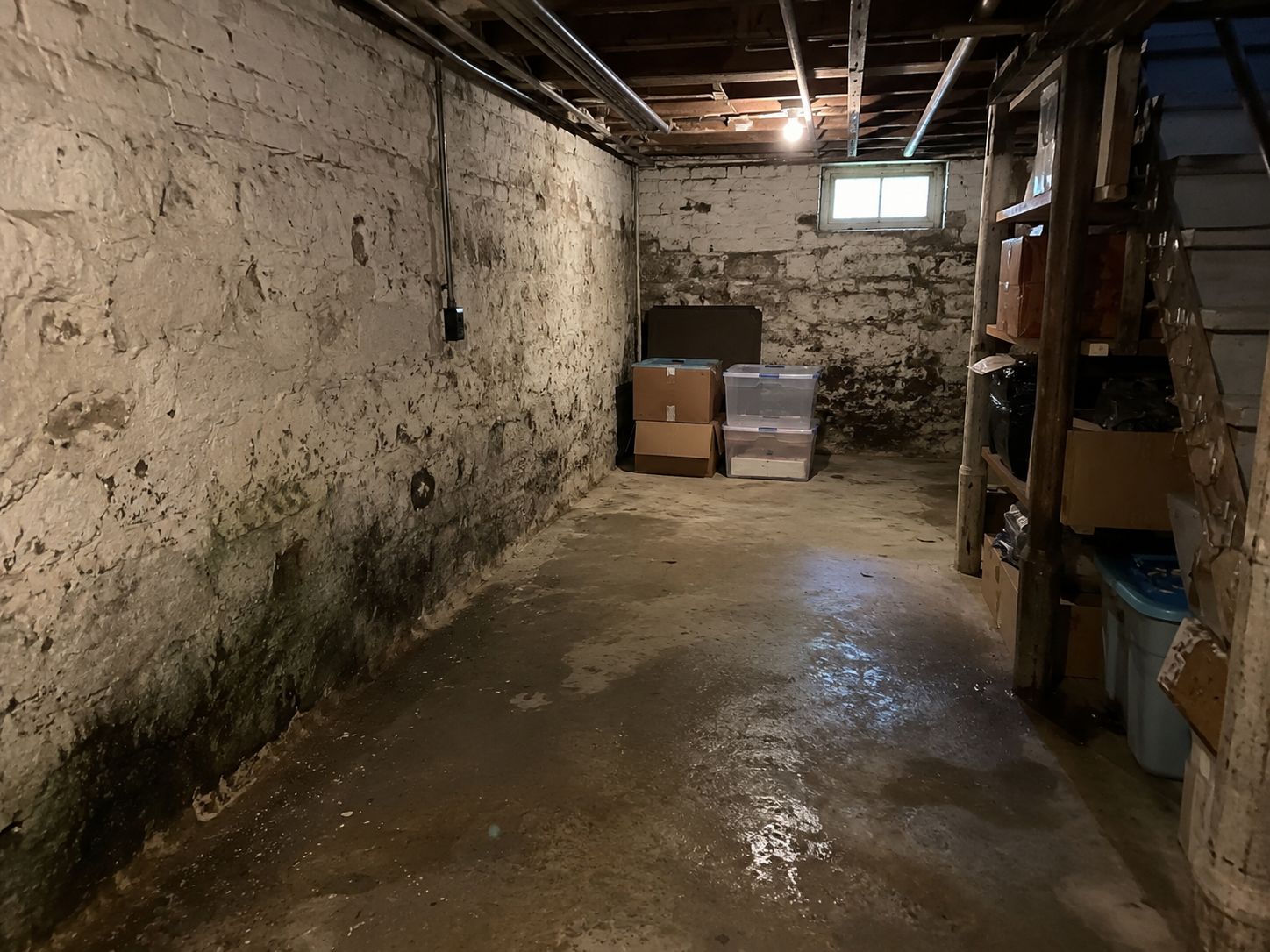
Interior waterproofing focuses on managing water that has already entered the building, rather than preventing it at the source. This approach typically involves installing systems such as interior drainage channels, sump pumps, vapor barriers, and sealants along basement walls and floors. By redirecting or collecting water, interior waterproofing helps prevent flooding, mold growth, and other water-related issues without the need for extensive exterior excavation.
Benefits of Interior Waterproofing
Cost-Effective Solution
Interior waterproofing usually requires less labor and materials than exterior waterproofing, making it a more affordable option for homeowners on a budget.
Minimal Disruption
Installation occurs inside the property, avoiding excavation, landscaping removal, or structural interference with the exterior foundation.
Effective Flood Control
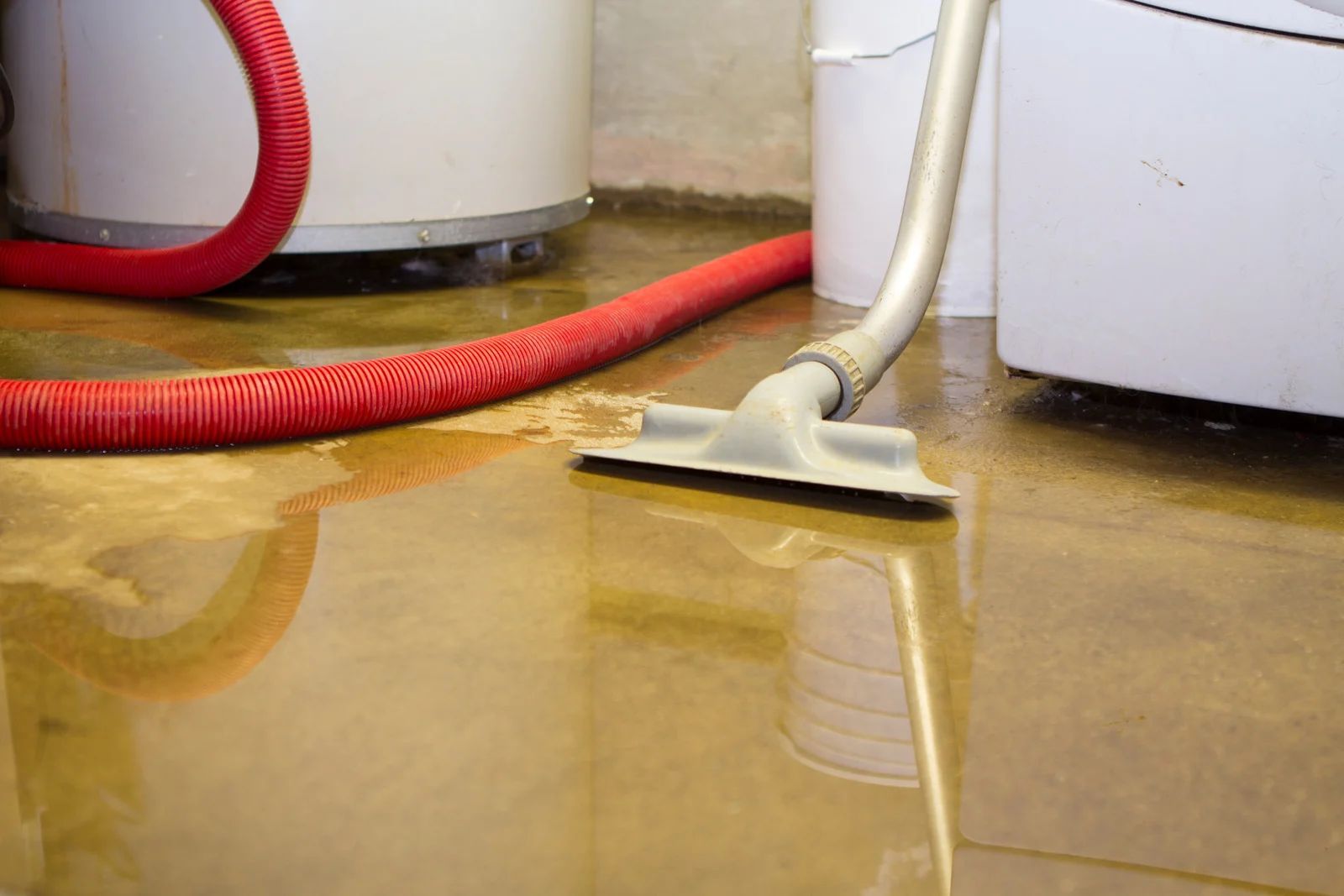
Systems like sump pumps and interior drainage channels efficiently manage minor flooding or water seepage, providing peace of mind in moderate moisture conditions.
Limitations of Interior Waterproofing
While interior methods are practical in many scenarios, they have inherent limitations. They do not prevent water from contacting the foundation, which means hydrostatic pressure can still build up against walls. Over time, this pressure may lead to cracks or structural compromise if not monitored. Furthermore, interior solutions primarily manage symptoms rather than addressing the root cause of water intrusion, potentially requiring supplemental maintenance or future interventions.
Suitable Scenarios for Interior Waterproofing
Interior waterproofing is ideal for homes with minor leaks, older buildings where exterior excavation is not feasible, or properties seeking a more budget-conscious approach. It is also appropriate for areas prone to temporary water accumulation or seasonal flooding, where rapid water removal and prevention of interior damage are the main priorities.
Comparing Exterior and Interior Waterproofing
Effectiveness in Water Prevention
Exterior waterproofing excels in preventing water from entering the structure, creating a long-lasting shield against hydrostatic pressure. In contrast, interior waterproofing focuses on mitigation after water has breached the foundation, meaning it is less proactive but still effective for flood control and moisture management. For long-term structural protection, exterior methods generally outperform interior alternatives
Cost Considerations
Exterior waterproofing is more expensive upfront due to excavation, specialized materials, and labor. Interior waterproofing is comparatively affordable, making it accessible to homeowners with limited budgets. However, the lower initial cost may translate to increased maintenance or supplemental interventions over time, which could offset initial savings.
Installation Complexity
Exterior waterproofing requires professional expertise, heavy equipment for excavation, and careful material application to ensure a continuous waterproof barrier. Interior waterproofing is generally simpler, often involving smaller-scale systems like interior drains, sump pumps, and sealants that can be installed with minimal disruption.
Maintenance Requirements
Both approaches require regular inspection and maintenance. Exterior waterproofing may involve monitoring drainage systems and maintaining the integrity of coatings, while interior waterproofing demands periodic checks of sump pumps, interior drains, and sealant integrity. Proactive maintenance ensures that either system performs optimally and avoids costly repairs down the line.
Longevity and Return on Investment
When considering long-term investment, exterior waterproofing typically offers superior durability and protection, often lasting 20 years or more when installed correctly. Interior solutions can extend the lifespan of a property’s foundation in the short to medium term but may require upgrades or additional interventions over time.
Combined Approaches: The Best of Both Worlds
Why Combine Methods?
Some property owners opt for a hybrid approach that leverages both exterior and interior waterproofing. By addressing water at the source while also managing residual moisture, this strategy offers comprehensive protection. A combined system can prevent leaks, control hydrostatic pressure, and provide a reliable fail-safe mechanism for unexpected flooding.
Implementation Strategies
Exterior Membranes with Interior Drainage
Apply exterior waterproofing membranes and complement them with interior drainage channels and sump pumps for maximum protection.
Selective Application
Exterior waterproofing can be prioritized for the most vulnerable areas, while interior solutions manage residual moisture in less critical zones.
Regular Monitoring
Implementing sensors or moisture detectors inside the property helps track potential leaks and ensures timely intervention, regardless of the waterproofing method employed.
Advantages of Hybrid Systems
Enhanced Protection
Minimizes both water intrusion and interior damage.
Peace of Mind
Reduces the risk of unexpected flooding or mold development.
Flexible Budgeting
Allows phased implementation, spreading costs over time while maintaining effective water control.
Real-World Example
Consider a multi-level home in a high-rainfall region with a basement prone to seepage. Exterior waterproofing protects the foundation from soil saturation, while interior drains and a sump pump manage occasional water accumulation during storms. This dual strategy not only preserves structural integrity but also prevents costly water damage to flooring, walls, and stored items.
Best Practices for Choosing the Right Waterproofing Option
Conduct a Thorough Assessment
Start with a detailed inspection of the property. Evaluate soil conditions, drainage patterns, water table levels, and the severity of any existing leaks. Understanding these factors is crucial for determining whether exterior, interior, or a combination of both methods is appropriate.
Consult Experienced Professionals
Waterproofing requires expertise in material selection, system design, and installation. Engaging certified professionals ensures that the chosen method is correctly implemented and meets industry standards, minimizing the risk of failure.
Evaluate Long-Term Costs
Consider both initial installation costs and ongoing maintenance expenses. While interior waterproofing may be more affordable upfront, exterior solutions can offer superior long-term value and reduce the likelihood of costly foundation repairs.
Factor in Property Constraints
Space limitations, landscaping, and surrounding infrastructure may influence the feasibility of exterior excavation. Interior waterproofing may be the only practical option in such cases, although hybrid solutions can often provide a balanced compromise.
Prioritize Quality Materials
High-quality waterproofing membranes, sealants, and drainage systems significantly affect durability and performance. Choosing trusted materials ensures that the investment lasts and delivers reliable protection.
Plan for Regular Maintenance
Regardless of the chosen method, establish a routine maintenance schedule. Inspect membranes, check sump pumps, clean drains, and monitor moisture levels to ensure ongoing effectiveness and early detection of potential issues.
Trusted, Experienced Solutions from HRC Waterproofing Inc.
For property owners seeking
reliable waterproofing and foundation repair services, HRC Waterproofing Inc.
in Jamaica, Queens, New York, offers over 25
years of experience in protecting homes and commercial buildings from water damage. At HRC Waterproofing Inc., we understand that each property is different. Our experts perform thorough assessments, recommend the most appropriate solutions, and ensure that every installation adheres to the highest standards of quality and safety. Whether you are managing a high-risk basement, addressing a persistent leak, or planning a new construction project, our comprehensive waterproofing services provide peace of mind and tangible results. With decades of proven expertise, HRC Waterproofing Inc.
has earned a reputation as a trustworthy authority in the field, committed to safeguarding your investment and preserving the integrity of your property for years to come.